
Homeschooling for Beginners: Everything You Need To Know Before You Start (Without Feeling Completely Overwhelmed)
Have you been side-eyeing homeschooling from a distance thinking, “This sounds amazing… but also mildly terrifying?”
Maybe you love the idea of more family time, flexible learning, no rushed mornings, and the freedom to actually tailor education to your child… but every time you start researching, you end up twelve tabs deep, confused by curriculum jargon, state laws, socialization debates, and moms on Instagram with color-coded homeschool rooms that make you feel wildly underqualified.
Take a deep breath - homeschooling for beginners does not have to feel like preparing to launch a spacecraft.
In fact, one of the biggest reasons parents never start homeschooling is because they assume they need:
a teaching degree,
a Pinterest-perfect classroom,
expensive boxed curriculum,
and saint-level patience.
Spoiler alert: you do not.
Homeschooling can actually be simple, affordable, flexible, and incredibly rewarding once you strip away the noise and understand the basics.
This beginner homeschool guide is going to walk you through everything you truly need to know before you start - from legal requirements and choosing curriculum to creating a homeschool schedule that works in real life. So if you’ve been wondering how to start homeschooling but feel completely overwhelmed, this is for you.
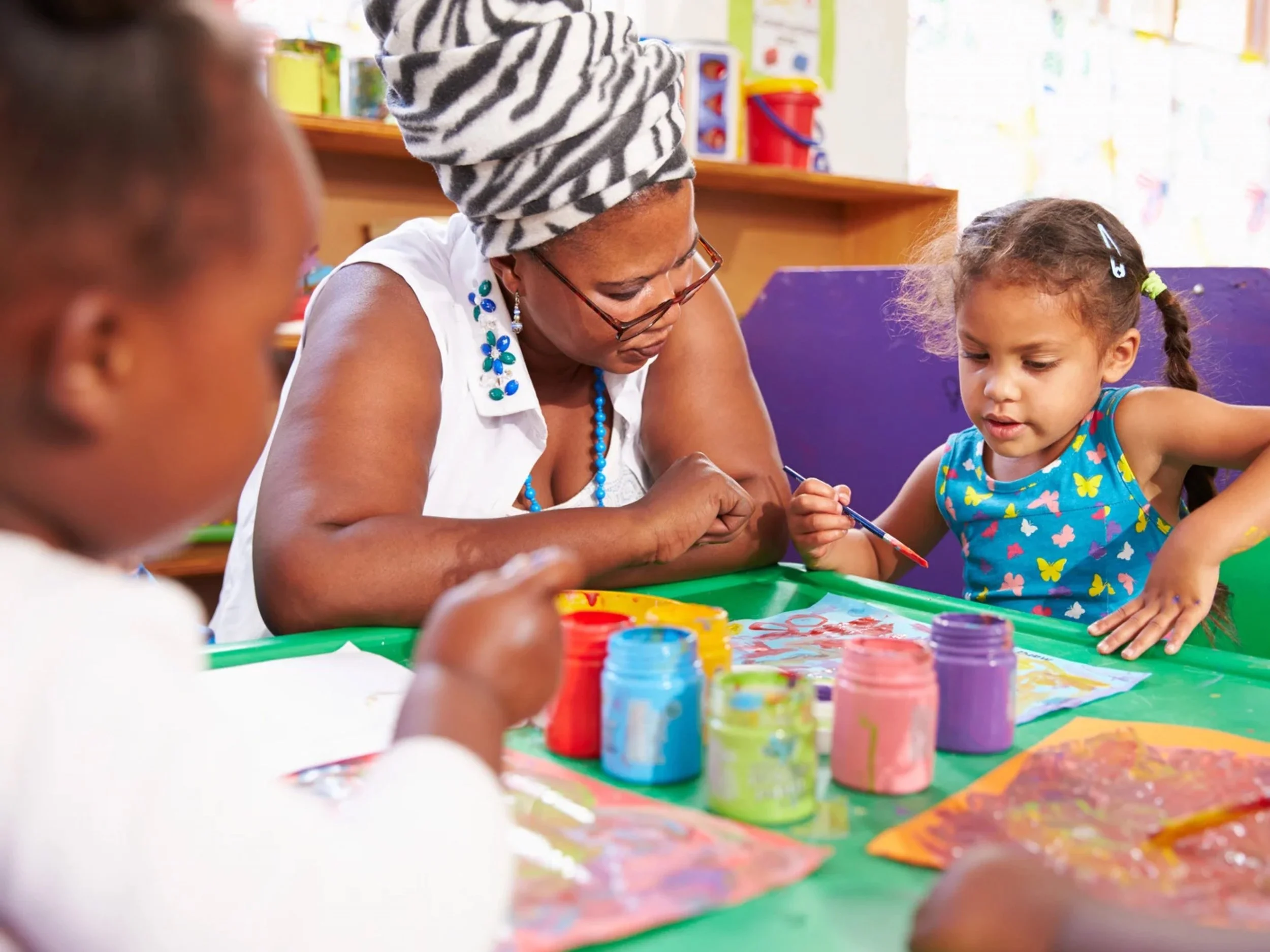
Why So Many Parents Are Choosing Homeschooling
Homeschooling has exploded over the past several years, and for good reason. Families are realizing that education does not have to be one-size-fits-all.
Some parents begin because:
their child is struggling in traditional school,
they want more flexibility,
they dislike the rushed pace of public education,
they want stronger family connection,
or they simply want more control over what and how their child learns.
And honestly? Many moms start because something in their gut keeps whispering:
“There has to be another way.”
The beauty of homeschooling is that there is no single right way to do it. Your homeschool can be structured, relaxed, faith-based, secular, online, literature-rich, outdoorsy, minimalistic, or a blend of everything.
That freedom is what makes it wonderful.
If you are still wondering whether homeschooling is even a realistic option for your family, you may also want to read my post on Homeschooling Isn’t For Everyone…Or Is It? because it breaks down common fears many moms have before starting.
Homeschooling for Beginners Step #1: Understand Your State Homeschool Laws
Before buying a single workbook or alphabet chart, your first step is understanding what your state legally requires.
Homeschool laws vary by state. Some states are very relaxed and require little more than keeping attendance, while others may require:
notice of intent,
portfolio reviews,
testing,
or progress reports.
This sounds intimidating, but it usually is not nearly as complicated as it seems.
A great place to begin is checking your state homeschool requirements through HSLDA (Home School Legal Defense Association) or your state homeschool organization.
What you want to know:
Do I need to file paperwork?
How many days are required?
Are there testing/reporting requirements?
What records should I keep?
Once you know your legal box is checked, you can move forward with much more confidence.
Homeschooling for Beginners Step #2: Know That You Do NOT Need To Recreate Public School at Home
This is where many new homeschool moms accidentally make life harder.
They think homeschooling means:
desks,
six-hour school days,
every subject every day,
strict grade-level pacing,
worksheets until everyone cries.
Nope.
Homeschooling is not public school in your dining room.
One of the best parts of homeschooling is efficiency. One-on-one or small group teaching moves much faster than classroom instruction. Young elementary students often only need 1–3 focused hours total.
Yes - really.
That means:
shorter lessons,
more flexibility,
more life learning,
and less burnout.
This is why creating a realistic rhythm matters so much more than trying to mimic a classroom. My post on Creating A Homeschool Routine That Actually Works can help you visualize what this looks like.
Homeschooling for Beginners Step #3: Choose Your Homeschool Style Before Choosing Curriculum
This is one of the most skipped but most important beginner steps.
Before you curriculum shop, ask:
What kind of homeschool environment do I want?
Because there are many homeschool styles, including:
Traditional/Structured
Charlotte Mason
Classical
Unit Study
Relaxed/Eclectic
Online/Computer-Based
You do not need to commit to a label forever, but knowing your general preference helps you avoid buying random resources that do not flow together.
For example:
if you love routine and clear lesson plans, open-and-go curriculum may be ideal;
if you love books and nature, Charlotte Mason may feel natural;
if you want online independence, digital programs may help.
Many families end up eclectic (a mix), but it still helps to know what appeals to you.
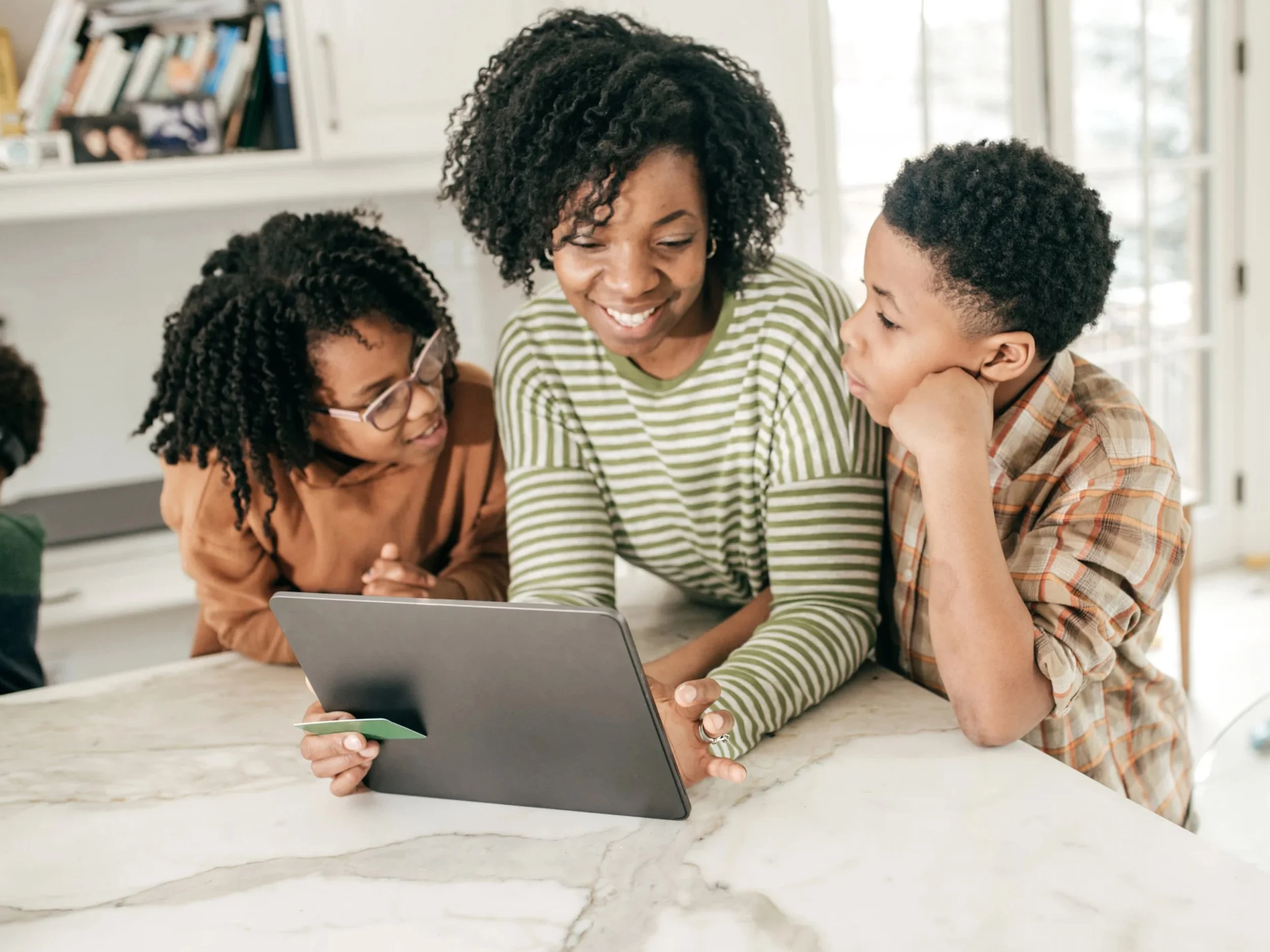
Best Beginner Homeschool Curriculum Picks That Make Starting Easier
Now for the part everyone stresses over: curriculum.
Good news? You do not need twenty different fancy programs. You need simple, manageable basics.
Here are some beginner-friendly homeschool curriculum types to focus on:
Math Curriculum
Choose something straightforward and easy to teach. Programs like Dimensions Math work well for families who want clear progression without fluff.
Reading/Language Arts
A strong phonics-based reading curriculum is gold in the early years. From Phonics to Reading is one of my favorite easy-to-follow options.
Spelling/Writing
You do not need complicated here either. 180 Spelling & Word Study and Essentials in Writing keep things manageable.
Science
Simple curiosity-based science works beautifully for beginners. Apologia is a great example of engaging without feeling dry.
History
Story-based history tends to keep kids interested much longer. Curiosity Chronicles is fun, conversational, and memorable.
The biggest beginner mistake is buying too much.
You truly only need:
math,
language arts,
and maybe one family-style content subject to start.
You can add more later.
Also, if curriculum costs are stressing you out, definitely check out my full guide on 8 Completely Free Homeschool Curriculums (Because Homeschooling Doesn’t Need To Break The Bank).
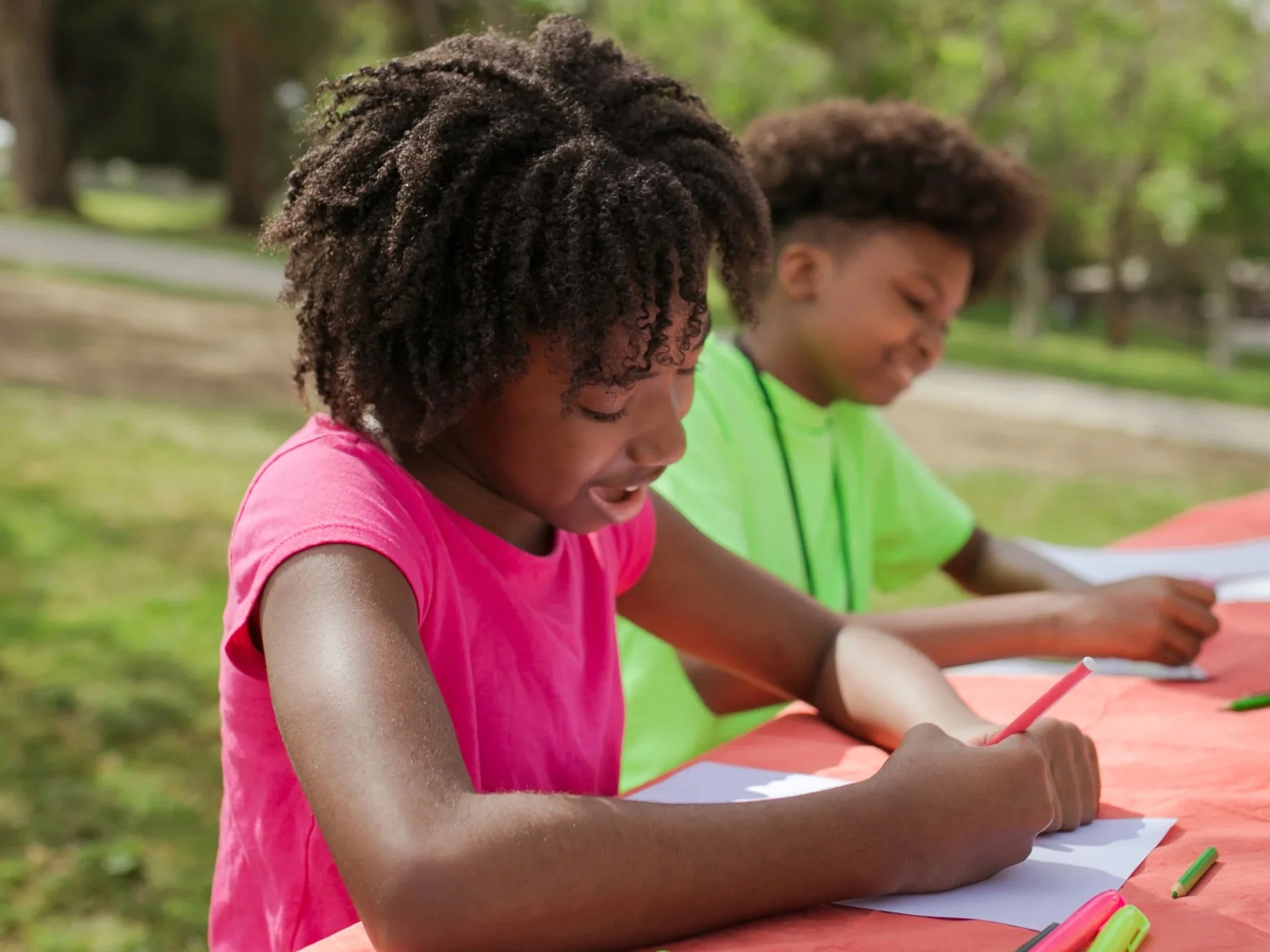
Homeschool Supplies for Beginners: What You Actually Need (and What You Don’t)
Let me save you from the Target dollar spot spiral. You do not need:
a mini classroom,
twenty bins,
laminated labels,
or every educational manipulative on the internet.
You do need:
pencils/crayons/markers,
printer paper or notebooks,
a few folders,
your curriculum,
library card,
and a place to sit.
That is pretty much it.
Everything else is bonus.
Homeschooling works because of consistency and connection - not because you own a rainbow cart.
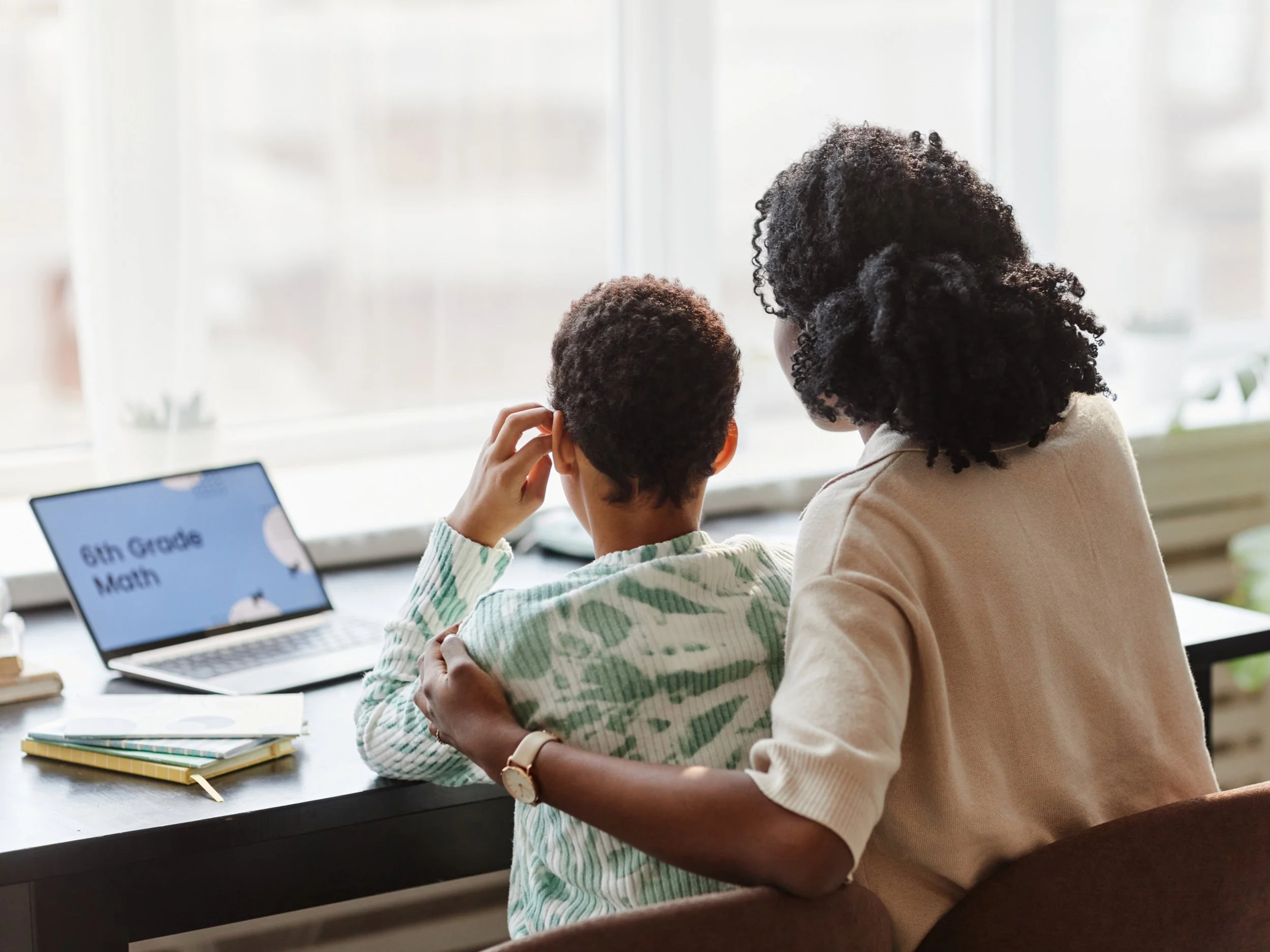
How To Create a Beginner Homeschool Schedule That Works
Please do not plan a rigid 8 a.m. to 3 p.m. masterpiece on day one. Instead, build a simple rhythm:
Morning:
breakfast, chores, read aloud
Core Work:
math + reading/language arts
Midday Break:
lunch/play
Afternoon:
science/history/art/life skills/errands
That’s it.
Many successful homeschool moms focus on:
2 core subjects daily,
loop the extras,
and stop before everyone is fried.
A manageable routine will keep you homeschooling far longer than an ambitious one.
Homeschool Socialization: The Question Everyone Will Ask You
Ah yes. The infamous: “But what about socialization?”
You will hear it. Frequently.
Homeschooled children are not locked in a basement communicating only with math flashcards. Homeschoolers socialize through:
co-ops,
sports,
church groups,
neighborhood friends,
library classes,
field trips,
extracurriculars,
community events.
In many cases, they actually interact with a wider age range than traditionally schooled children.
So no - socialization does not have to be a deal breaker.
What Homeschooling Really Looks Like Day to Day
Some days will feel magical. Kids cuddled up reading. Science experiment success. Peaceful math lesson.
You thinking, “Wow, I am thriving.”
Other days:
someone cries over handwriting,
the toddler dumps cereal,
you forget what chapter you’re on,
and everyone ends up watching a documentary by noon.
Both are normal. Homeschooling is not successful because every day is beautiful.
It is successful because learning keeps happening over time. This mindset shift matters more than almost anything.
Common Beginner Homeschool Mistakes To Avoid
Trying to do too much too soon. Keep it simple.
Buying too much curriculum. Start with the basics.
Comparing your homeschool to social media. Instagram is not real life.
Expecting instant confidence. It takes time to find your groove.
Thinking hard days mean you’re failing. They do not.
Every homeschool family has messy adjustment periods.
Final Encouragement for New Homeschool Moms
If homeschooling has been tugging at your heart, do not let overwhelm talk you out of something beautiful before you even begin.
You do not need to know everything on day one.
You just need to start with:
legal understanding,
simple curriculum,
realistic expectations,
and a willingness to learn alongside your kids.
The rest truly gets easier with experience.
Homeschooling is far less about perfection and far more about building an education that actually fits your family.
And that is a pretty amazing thing.
Thinking About Starting Homeschooling?
I’d love to know - what is your biggest fear or question about beginning homeschooling? Drop it in the comments below so we can chat, mama.
And if you’re just getting started, be sure to explore more beginner-friendly homeschool help here on SimplyKerene:
8 Completely Free Homeschool Curriculums
One Subject a Day Homeschool Method