
Homeschooling on a Budget: How to Give Your Kids an Amazing Education Without Overspending
What if I told you that you don’t need a Pinterest-perfect homeschool room, a $1,000 curriculum haul, or a color-coded library to give your kids an incredible education? Seriously. Somewhere along the way, homeschooling got this reputation for being expensive… overwhelming… and only doable if you have “extra” money lying around.
And if you’re anything like most moms (especially in today’s economy), you probably thought: “I want to homeschool… but can I actually afford it?”
Here’s the truth no one talks about enough: Homeschooling on a budget is not only possible - it can at times even be better.
When you strip away the pressure to “buy everything,” you’re left with what really matters:
Real-life learning
Strong family connection
Flexibility
Creativity
And THAT is where the magic happens. I’m going to show you exactly how to make homeschooling on a budget work for your family - without stress, without guilt, and without sacrificing quality.

Why Homeschooling on a Budget Works (Better Than You Think)
Let’s flip the narrative for a second. Expensive doesn’t equal effective. Some of the best homeschooling moments don’t come from fancy curriculum - they come from:
Conversations at the dinner table
Real-life problem solving
Simple routines that actually stick
When you focus on intentional learning instead of expensive materials, you reduce overwhelm, stay consistent, and actually use what you have
And honestly? Kids don’t need a lot. They need you, consistency, and opportunities to learn.

Getting Creative with Curriculum (Save Hundreds Right Here)
You do not need to spend hundreds on boxed curriculum. Instead, create a simple structure:
Math (workbook or free printables)
Reading (library books)
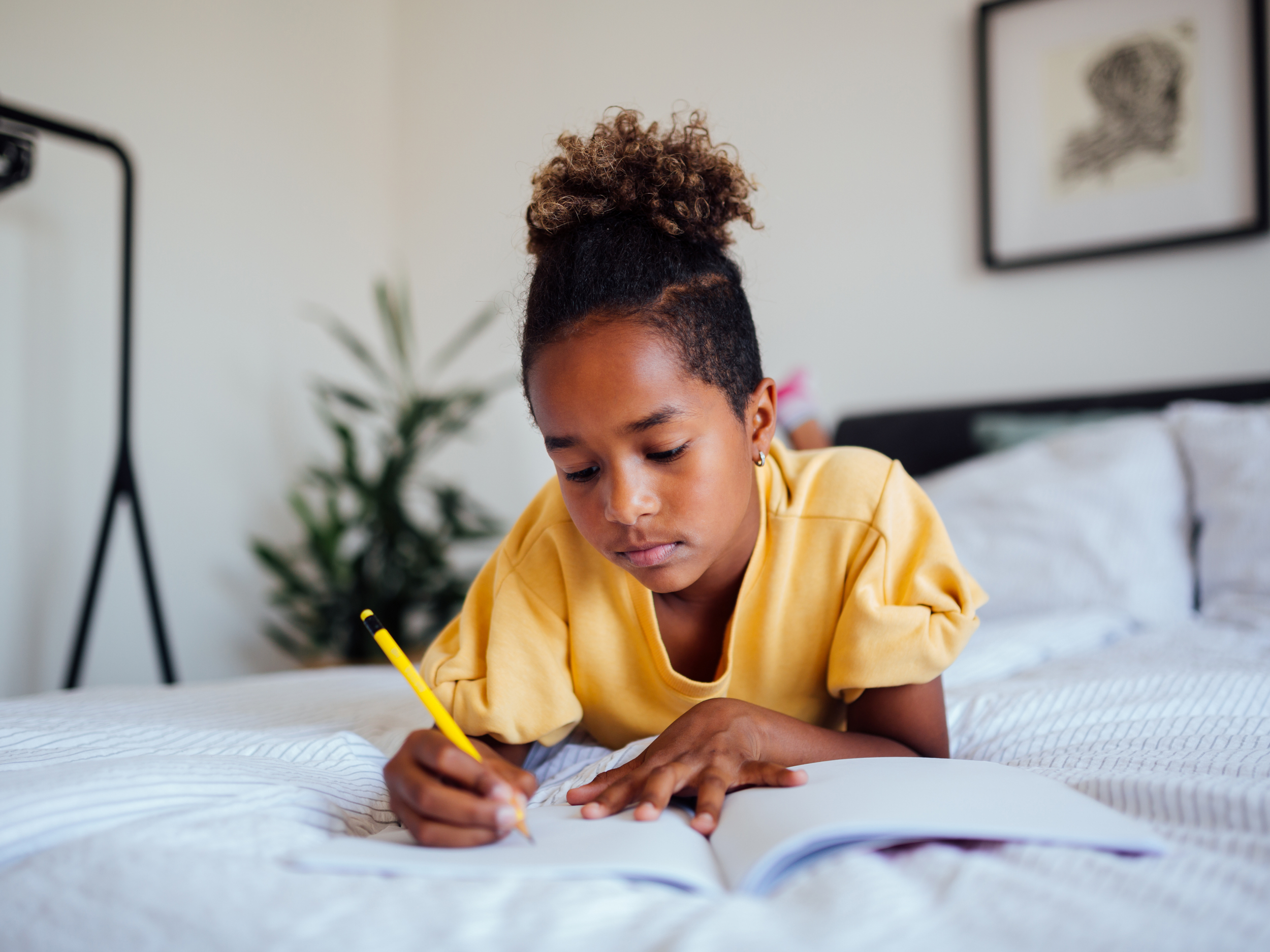
Writing (journaling, copywork)
Life skills (cooking, budgeting, chores)
That’s it. You can build an entire homeschool routine around free worksheets, library books, YouTube lessons and real-life practice.
Pro Tip: Focus on core subjects first. Everything else can be added naturally.

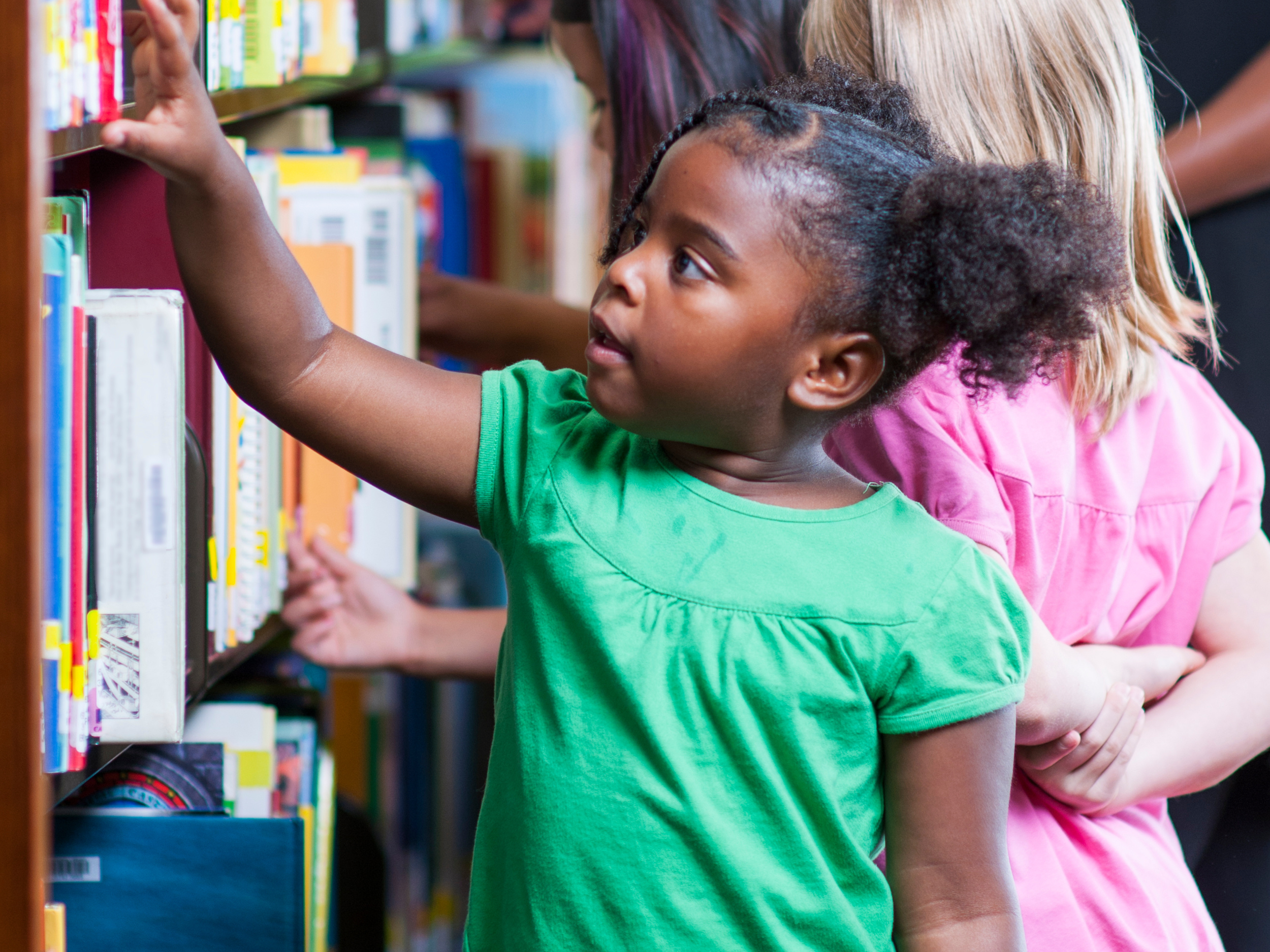
Library Love: Your #1 Tool
If you’re homeschooling on a budget, your library is about to become your best friend. And I mean BEST friend. You get:
Books (obviously)
Audiobooks
DVDs and documentaries
Free classes and events
Online learning platforms (yes, many libraries offer this!)
Make it part of your weekly routine. Library day = homeschool day. And, let your kids choose books (this builds a love for learning FAST).
Embracing Free and Low-Cost Resources (There’s So Much Out There)
There are many online gems. You don’t need expensive subscriptions to teach your kids well.
There are so many free resources:
Educational YouTube channels
Printable worksheets
Free homeschool blogs (👀 like this one!)
Learning apps with free tiers
You can literally teach math, science, reading, history and much more…without spending a dime.
The key is not finding more resources - it’s choosing a few and staying consistent.
If you do decide to purchase any curriculum. Try Before You Buy. Look for free trials, download sample lessons and test out different styles.
This saves you from wasting money on something that:
Doesn’t fit your child
Doesn’t fit your routine
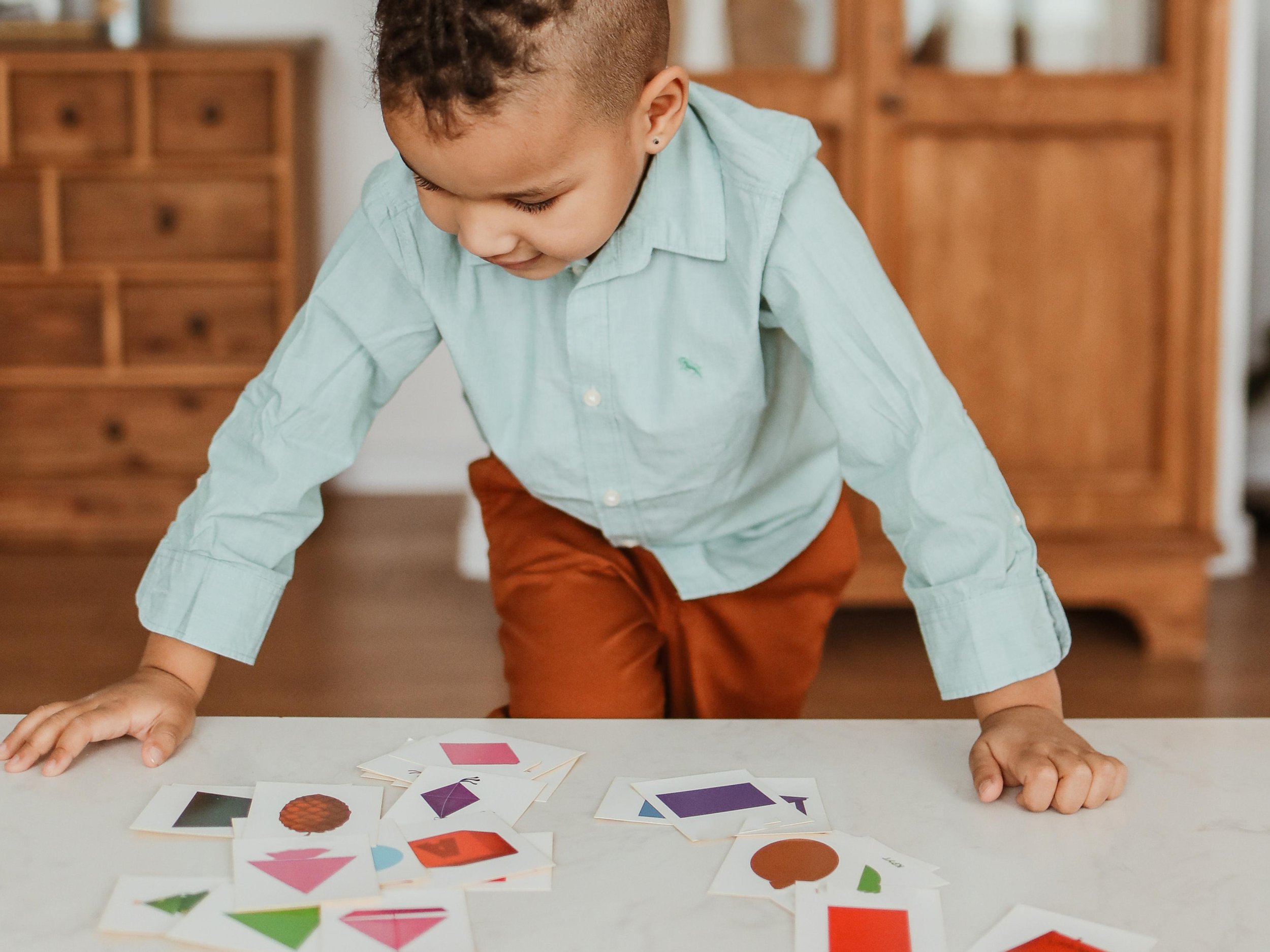
Thinking Outside the Box: Real-Life Learning is FREE
Homeschooling on a budget doesn’t mean staying home all the time. Look around your community:
Museums (free days!)
Zoos (discount days!)
Parks and nature centers
Local events and workshops
These experiences often teach more than a workbook ever could.
Homeschool Co-Ops: Share the Load (and the Cost)
Joining a homeschool co-op can be a game changer. Benefits include:
Shared curriculum
Group learning
Social time for kids
Lower costs
You can even rotate teaching. For example one mom teaches science, another teaches art and another organizes field trips.
Less pressure. More support.
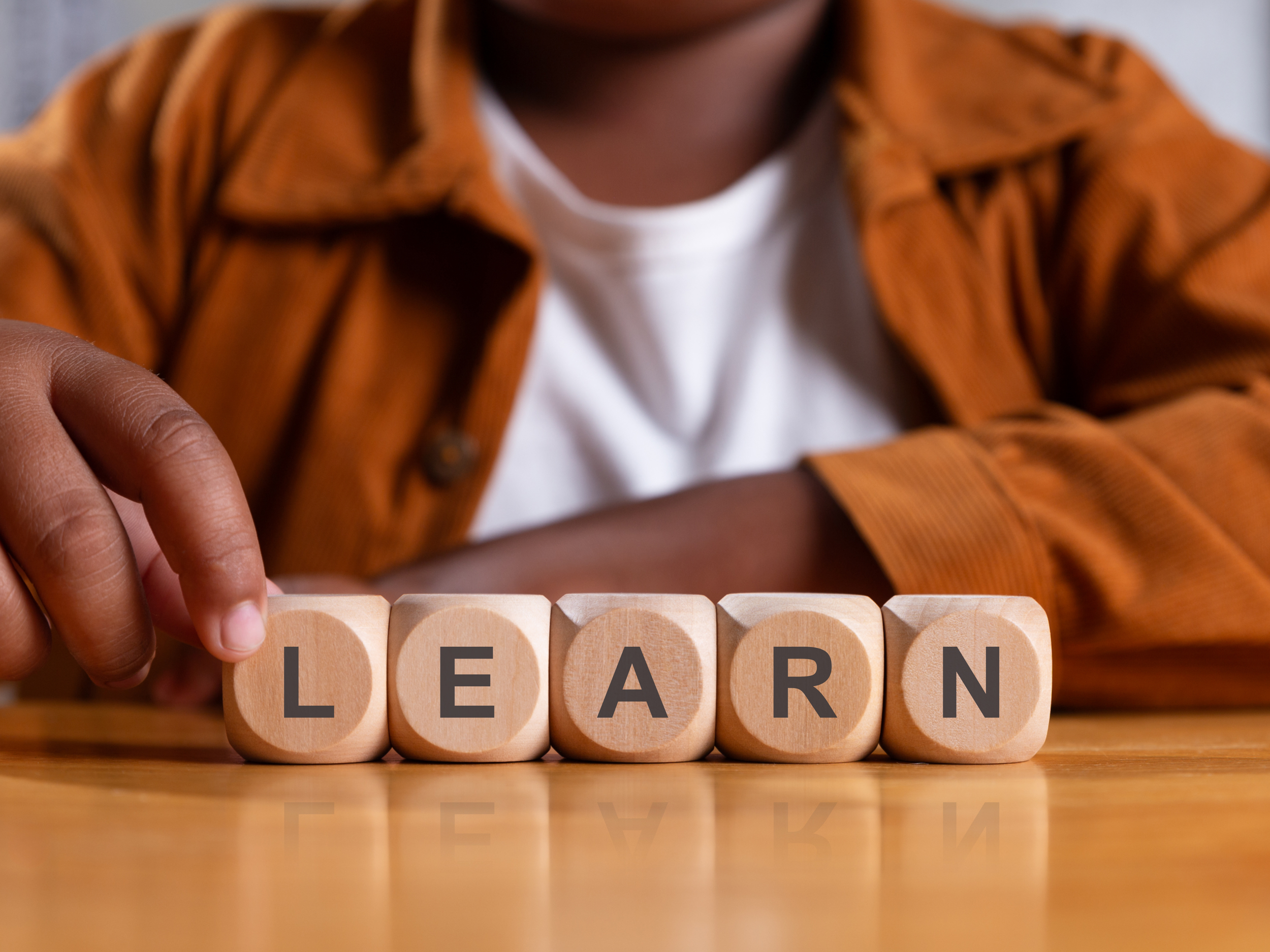
Smart Money-Saving Tips for Homeschooling on a Budget
Buy Used (This is a Game Changer). Never pay full price if you don’t have to.
Look for:
Facebook Marketplace
Homeschool groups
Curriculum resale events
You can save 50–80% easily.
Sell and Swap What You Don’t Use
Don’t let materials collect dust. Instead:
Sell what you’re done with
Trade with other homeschool moms
Swap curriculum seasonally
This keeps your homeschool fresh without spending more money.
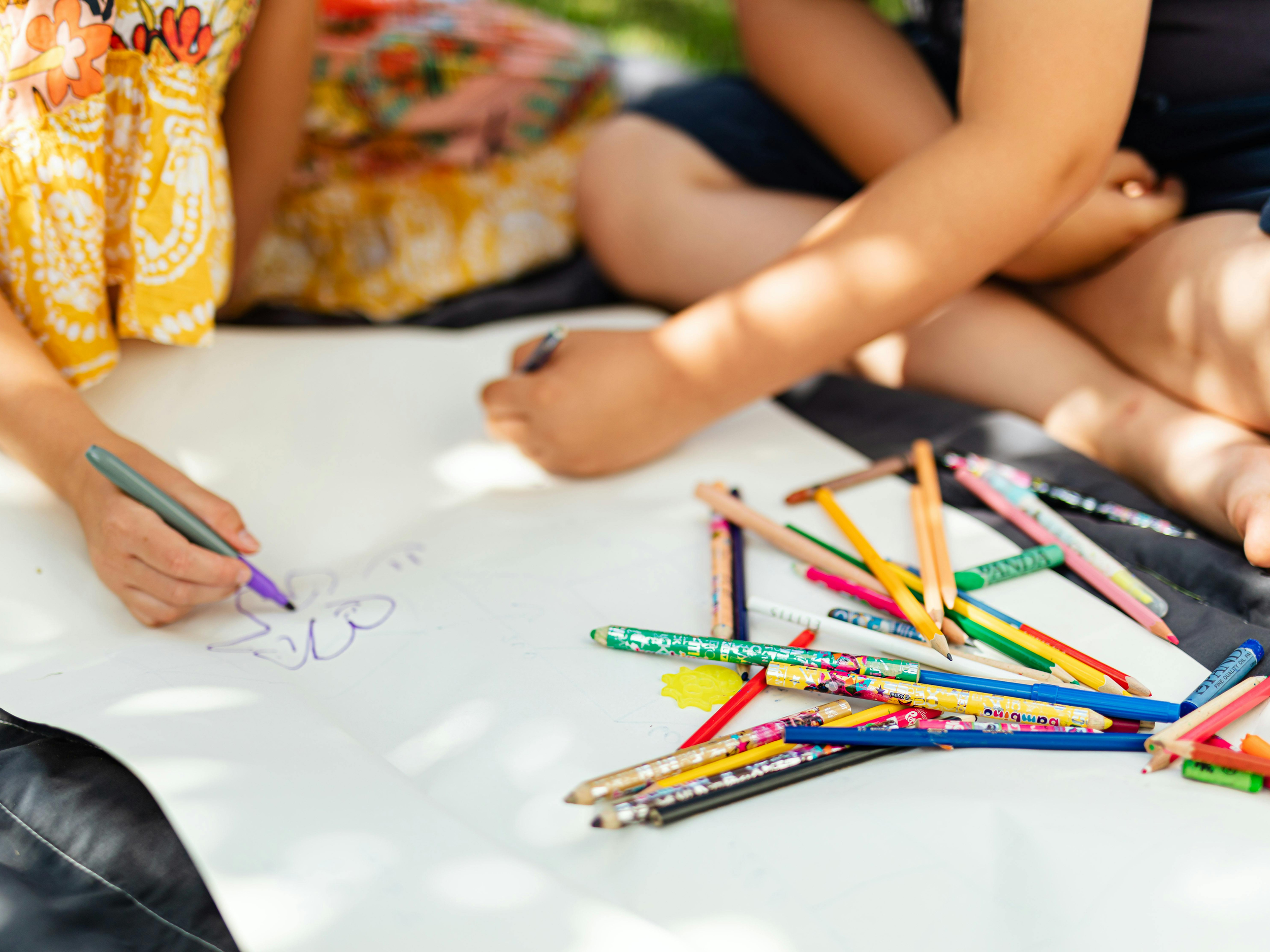
Stick to “Open and Go” Simplicity
One of the biggest money drains? Overbuying. You don’t need:
5 math programs
10 workbooks per subject
A new system every month
Pick a few things → use them fully → move on.
Simple saves money AND sanity.
Making Learning Fun (Without Spending More)
Get creative with what you already have. You don’t need expensive supplies for engaging lessons. Use: paper and markers, kitchen ingredients and household items
Examples:
Math with snacks
Science in the kitchen
Writing through storytelling
Kids remember experiences - not expensive materials.
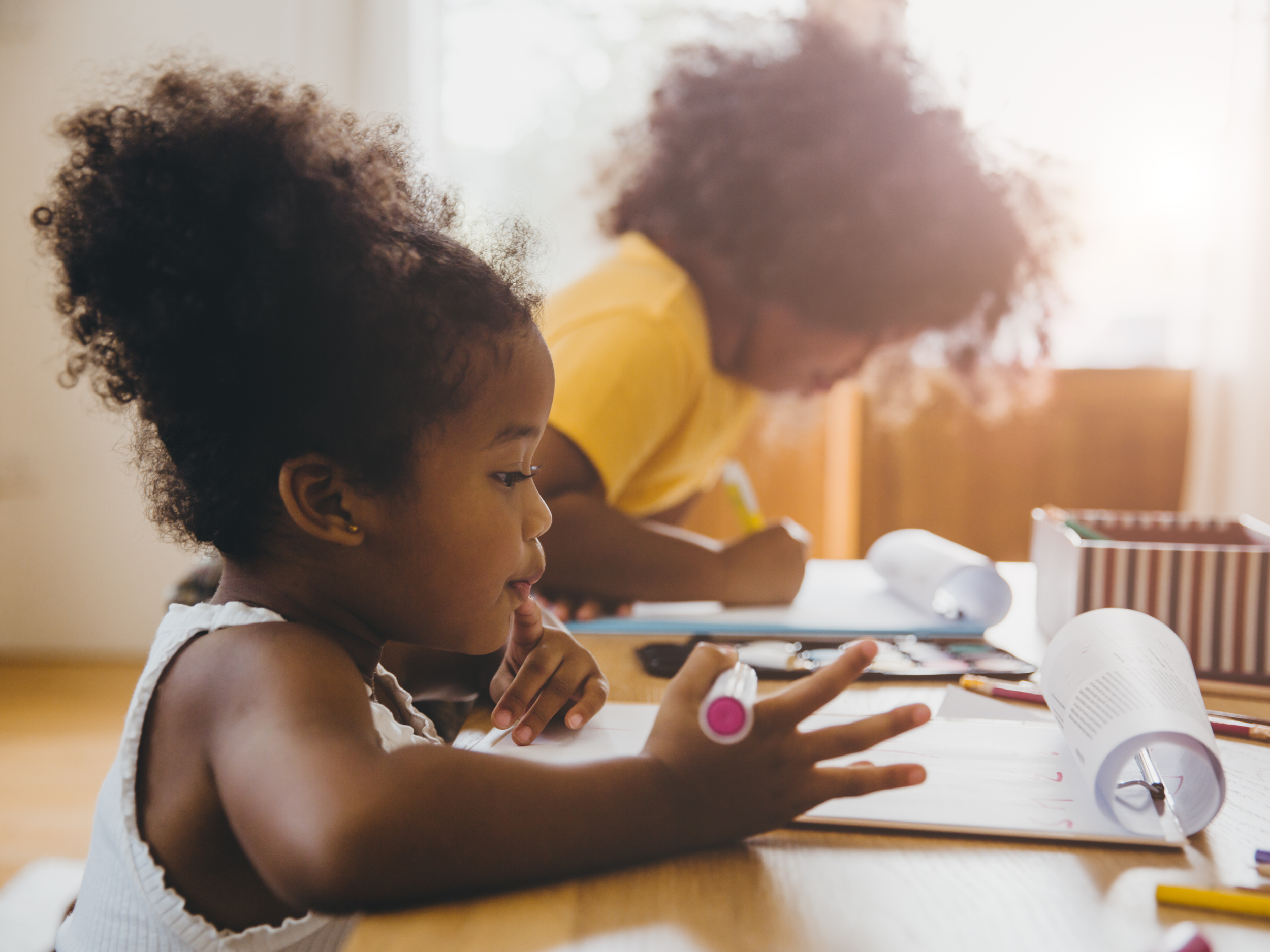
Outdoor Learning: Free, Fun, and Powerful
Nature is one of the best (and cheapest) classrooms. Ideas:
Nature walks
Leaf collections
Weather tracking
Park exploration
Fresh air + movement = better learning and better moods.
Simple Weekly Homeschool Routine (Budget-Friendly + Realistic)
If you’re feeling overwhelmed, start here:
Monday - Thursday:
1 core subject per day (rotate)
Reading daily
Light writing practice
Friday (optional)
Field trips
Library
Life skills
This keeps things simple, affordable and sustainable.
What You DON’T Need (Save Your Money Here)
Let’s clear this up. You do NOT need:
A dedicated homeschool room
Expensive décor
A full boxed curriculum
Every new trending resource
Those things look nice - but they don’t determine your child’s success.
How to Stay Consistent Without Overspending
Consistency > Perfection. Focus on:
Showing up daily
Keeping lessons short
Using what you already have
When you keep things simple: you spend less, you stick with it, and your kids thrive.
It’s not about finding the cheapest way. It’s about focusing on what actually works. When you:
Prioritize core learning
Use free resources
Stay consistent
You create a homeschool experience that is: affordable, effective, and enjoyable
And honestly? That’s the goal.
You Can Do This (Yes, Even on a Tight Budget)
Homeschooling on a budget doesn’t mean your kids miss out. It means:
You’re intentional
You’re resourceful
You’re focused on what matters
And that? That’s powerful.
You don’t need perfect conditions to give your kids a meaningful education. You just need a plan… a little creativity… and the willingness to start.
What’s your biggest concern when it comes to homeschooling affordably?
Drop it in the comments (or save this post for later), and let’s figure it out together!
If you like this post, share to Pinterest!
