
Field Trips in Homeschooling: 25 Fun and Educational Field Trip Ideas for Homeschoolers
Field Trips Might Just Be One the Best Parts of Homeschooling
One of the biggest reasons families fall in love with homeschooling is this: learning no longer has to stay trapped inside four walls.
You’re not limited to desks, worksheets, or rigid schedules. Instead, your child can learn about marine life while standing in front of a giant aquarium tank. They can study history while walking through a historic village. They can explore science while launching rockets at a space center or planting seeds at a local farm.
That’s the magic of homeschool field trips.
Field trips turn learning into something children can see, touch, hear, and experience. And honestly? Those are usually the lessons they remember forever.
Some of our family’s best homeschool memories didn’t happen around the kitchen table. They happened while wandering through museums, exploring nature trails, visiting local businesses, or discovering random roadside attractions we almost skipped.
The beautiful thing about homeschooling is that education becomes part of real life. A quick trip to the grocery store can become a math lesson. A beach walk can turn into marine biology. A local festival can become a cultural study.
Field trips help children connect learning to the real world in a way textbooks simply can’t.
And the best part? They don’t have to be expensive, fancy, or Pinterest-perfect to count.
In this post, we’re diving into:
Why field trips are important in homeschooling
The educational benefits of experiential learning
Easy and affordable homeschool field trip ideas
Virtual field trip options
Tips for planning successful homeschool outings
Ways to turn everyday experiences into meaningful learning opportunities
So grab your sneakers, pack the snacks, and let’s talk about one of the most exciting parts of homeschooling.

Why Field Trips Are Important in Homeschooling
Experiential Learning Helps Kids Truly Understand Concepts
Reading about something is helpful.
Experiencing it firsthand? That’s where the magic happens.
Field trips allow children to actively engage with what they’re learning instead of simply memorizing information. This type of experiential learning helps kids make deeper connections and retain information longer.
For example:
Reading about ecosystems is one thing.
Walking through a wetland preserve and spotting wildlife is another.
When children experience learning with multiple senses involved, concepts suddenly become more meaningful and memorable.
This is especially important for younger learners who thrive with movement, hands-on activities, and real-life interaction.
Homeschooling gives us the flexibility to make learning feel alive instead of repetitive.
And honestly, sometimes we as parents learn right alongside them.

Homeschool Field Trips Spark Curiosity Naturally
Real-World Learning Encourages Questions and Exploration
One of my favorite things about homeschool field trips is how naturally curiosity happens.
Children ask so many questions when they’re immersed in new environments:
“How does that machine work?”
“Why did people live like this?”
“How do astronauts eat in space?”
“Can plants survive without sunlight?”
That curiosity is powerful because it creates self-motivated learning.
Instead of forcing information into a lesson, children become genuinely interested in finding answers.
A single field trip can inspire:
A new hobby
A favorite book topic
A future career interest
A new unit study
Weeks of rabbit-trail learning
That’s one reason homeschooling can feel so rich and customized. You can follow your child’s interests and build learning around what excites them.
If you’re new to homeschooling, you may also enjoy reading our post on Homeschooling for Beginners: Everything You Need To Know Before You Start and State-by-State Homeschool Requirements: What Beginners Need To Know for more encouragement and practical help.

Educational Benefits of Homeschool Field Trips
Field Trips Improve Retention and Understanding
Research consistently shows that hands-on learning improves memory and comprehension.
Why?
Because children aren’t just hearing information - they’re actively experiencing it.
Field trips help children:
Connect abstract concepts to real life
Improve critical thinking skills
Strengthen observation skills
Build stronger emotional connections to learning
Remember information more effectively
Think about it this way:
Most adults don’t remember every worksheet from childhood.
But they do remember:
Visiting a zoo
Touring a historic site
Going to a science center
Seeing a live performance
Exploring nature trails
Experiences stick.
And that’s exactly why field trips are such a powerful homeschooling tool.
Homeschool Field Trips Help Build Social Skills
Yes - Homeschoolers Can Socialize
Let’s address the question homeschool families hear constantly.
Field trips actually provide amazing opportunities for social interaction in authentic settings.
Children can:
Interact with people of different ages
Ask questions to professionals and experts
Work with peers during group activities
Practice communication skills
Learn public behavior and etiquette
Develop confidence in unfamiliar environments
Homeschool field trips often create more natural social opportunities than traditional classroom environments because kids interact with people in real-world situations.
And if you participate in homeschool co-ops, local groups, or learning pods, field trips become even more fun because children can explore and learn alongside friends.
You might also love our post on Building Social Butterflies: Helping Homeschooled Kids Develop Strong Social Skills if socialization is something you’ve been thinking about lately.

25 Fun and Educational Homeschool Field Trip Ideas
Best Field Trip Ideas for Homeschoolers
Here’s where the fun begins. These homeschool field trip ideas can work for multiple ages and learning styles.
1. Science Museums
Science museums are homeschool gold. Kids can:
Conduct experiments
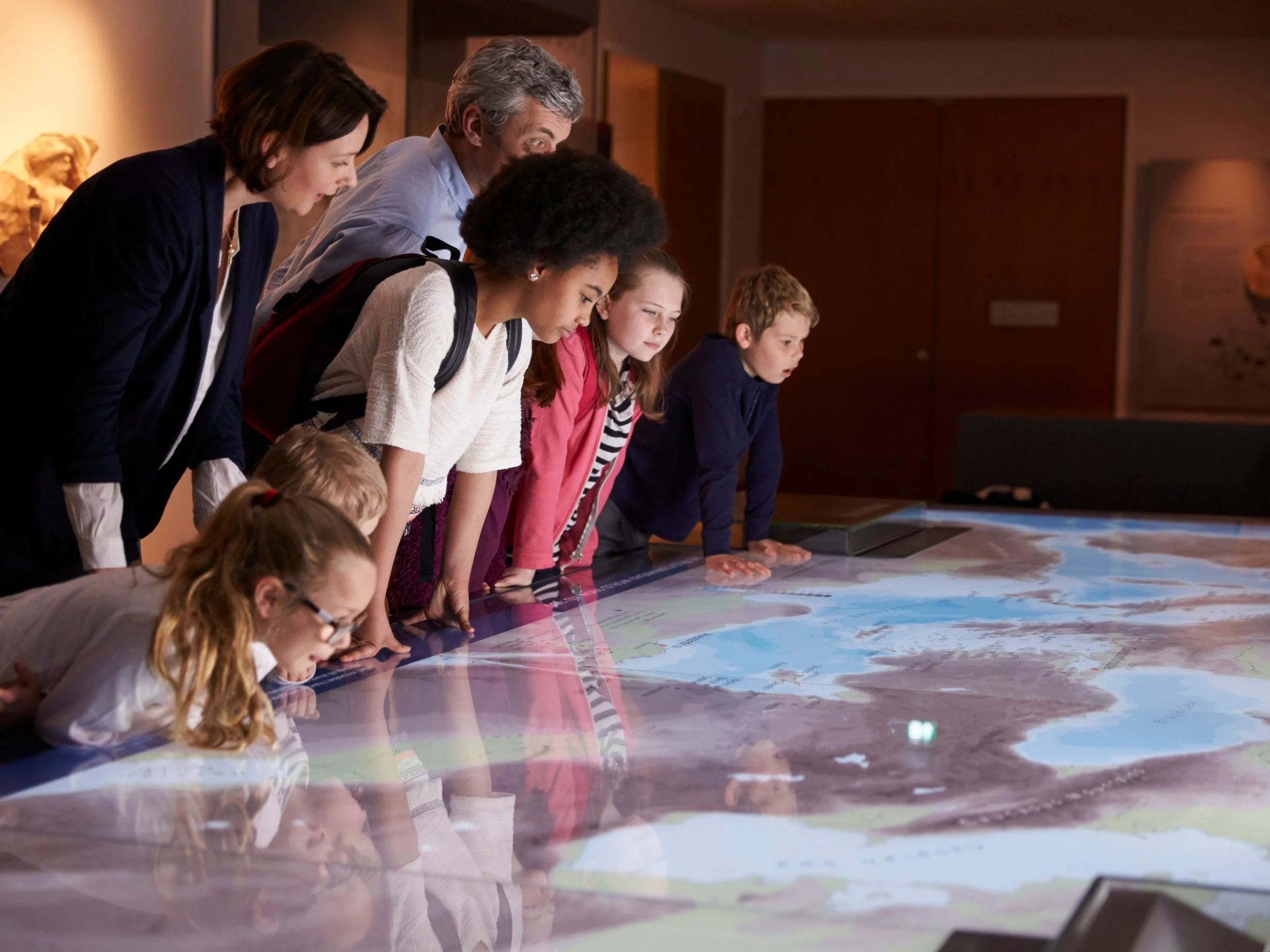
Explore interactive exhibits
Learn physics concepts
Discover engineering
Experience STEM learning hands-on
Many museums also offer homeschool days or discounted educational programs.
2. Historical Villages and Living History Museums
History feels completely different when children can actually walk through it. Living history museums allow children to:
See historical clothing
Watch blacksmith demonstrations
Explore old homes
Learn traditional crafts
Understand daily life from different time periods
Suddenly history becomes real instead of distant.
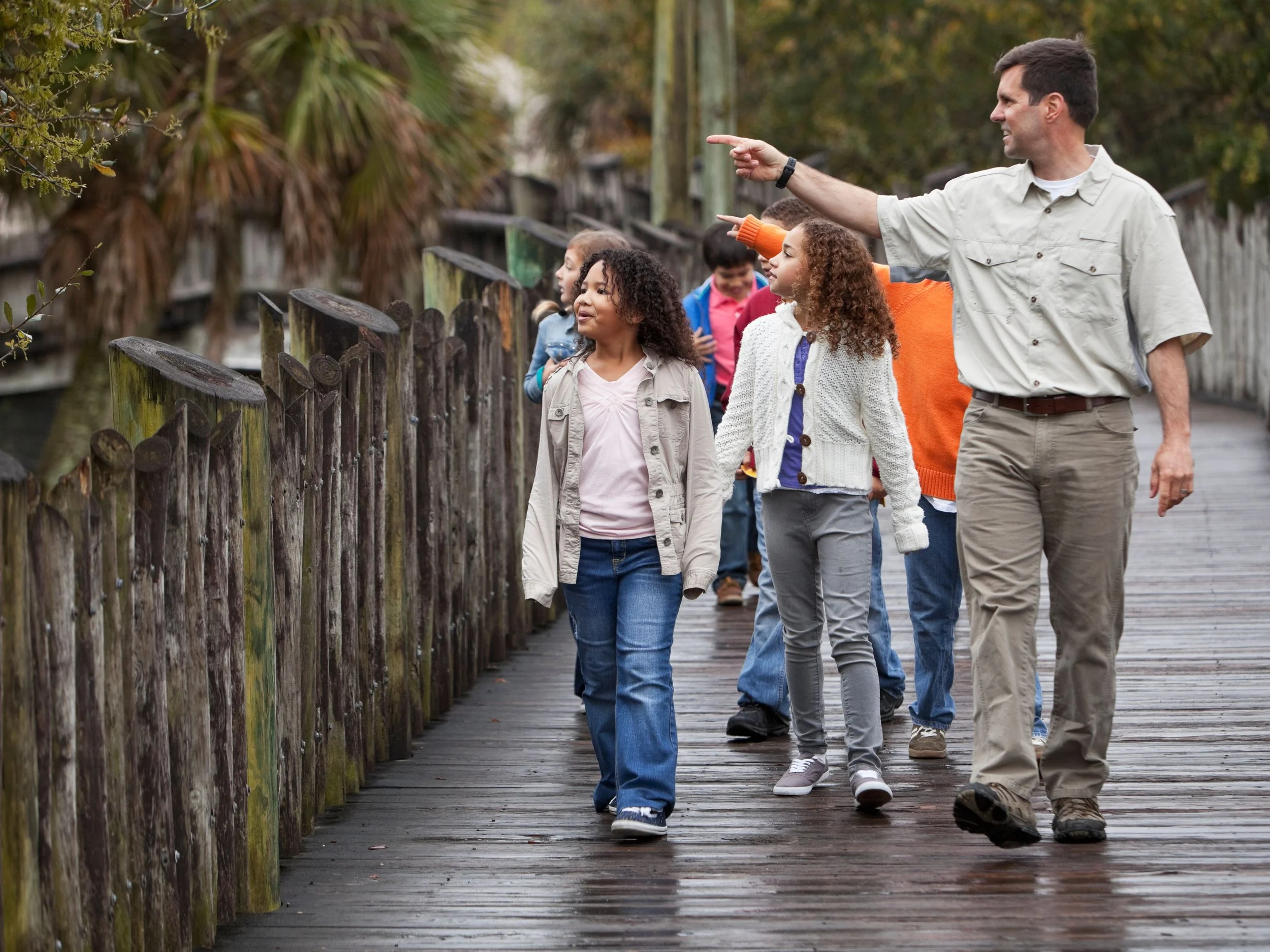
3. Nature Reserves and State Parks
Nature study is one of the easiest and most affordable homeschool activities. Bring:
Nature journals
Binoculars
Magnifying glasses
Field guides
Children can study:
Plants
Animal habitats
Ecosystems
Weather
Conservation
Geography
Bonus: everyone usually sleeps great afterward.
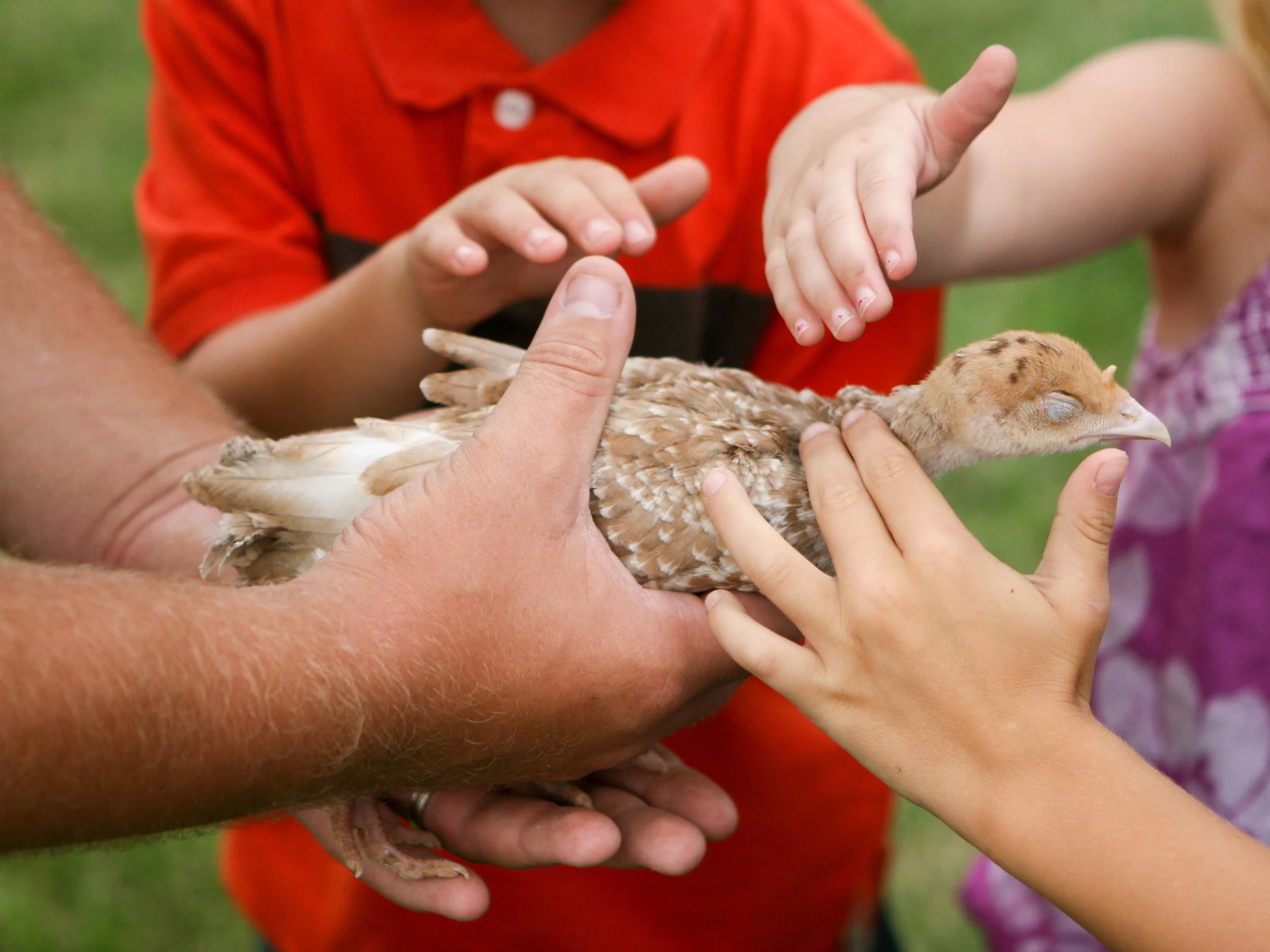
4. Farms and Agricultural Centers
Farm visits are incredible for teaching:
Food systems
Animal care
Sustainability
Agriculture
Responsibility
Many farms offer seasonal activities like:
Berry picking
Pumpkin patches
Milking demonstrations
Gardening workshops
Kids LOVE this stuff.

5. Art Museums and Galleries
Art museums expose children to creativity, storytelling, and culture.
You can discuss:
Art styles
Famous artists
Color theory
Emotional interpretation
Historical context
Even reluctant learners often surprise you with thoughtful observations.
6. Zoos and Aquariums
Classic for a reason. Zoos and aquariums provide opportunities to study:
Animal behavior
Habitats
Biology
Conservation
Marine science
Many offer educational scavenger hunts and homeschool programs too.
7. Planetariums and Observatories
If you have a space-loving child, this is a must. Planetariums make astronomy feel absolutely magical.
Children can learn about:
The solar system
Constellations
Space exploration
Galaxies
Telescopes
And yes, adults usually leave fascinated too.
8. Botanical Gardens
Botanical gardens are peaceful, beautiful, and surprisingly educational.
Great for studying:
Plant life cycles
Pollinators
Tropical ecosystems
Gardening
Climate zones
Perfect for spring homeschool days.
9. Fire Stations
A simple local field trip that children often adore. Kids can learn about:
Community helpers
Fire safety
Emergency response
Teamwork
Plus they usually get to see the fire trucks up close. Instant win.
10. Libraries
Don’t underestimate your local library.
Libraries often offer:
Workshops
STEM activities
Reading programs
Author visits
Educational events
And honestly? Librarians are some of the most homeschool-friendly people ever.
11. Bakeries and Restaurants
Field trips can happen in everyday places too. Children can learn:
Measurements
Business basics
Food preparation
Customer service
Kitchen science
Also… snacks.
12. Farmers Markets
Farmers markets are amazing for:
Economics
Budgeting
Nutrition
Local agriculture
Communication skills
Give kids a small budget and let them shop independently.
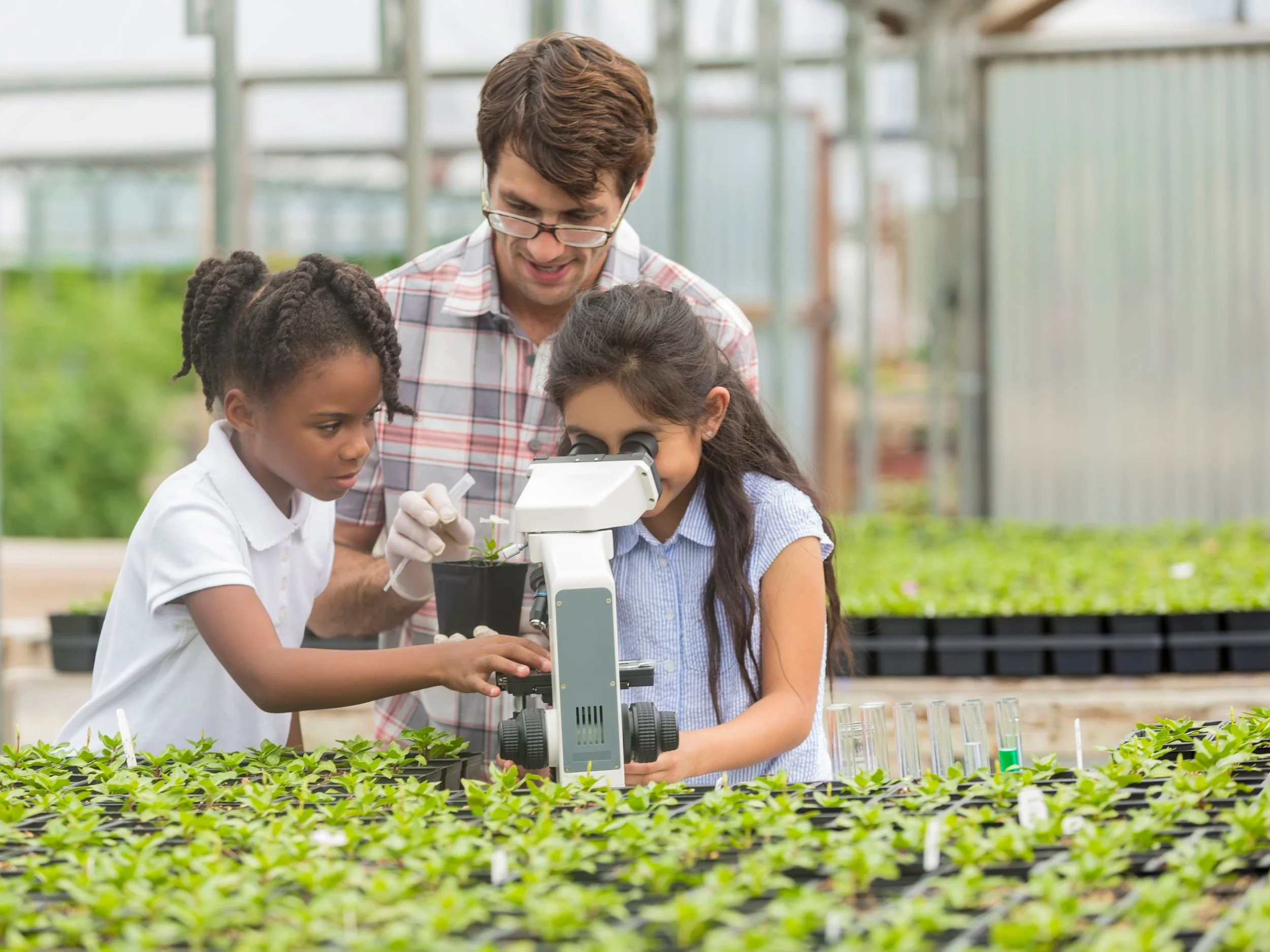
13. Wildlife Sanctuaries
These trips can lead to important conversations about:
Environmental protection
Animal rehabilitation
Conservation efforts
Ecosystem balance
Many sanctuaries also offer educational tours.
14. Factories and Manufacturing Tours
Seeing how products are made is fascinating for children.
Factory tours can teach:
Engineering
Business operations
Technology
Production processes
You’d be surprised how interesting this becomes for kids.
15. Beaches and Coastal Areas
Especially if you live in Florida like we do, beaches can become incredible classrooms. Study:
Marine biology
Tides
Weather patterns
Shell identification
Ocean ecosystems
And afterward? Picnic time.
16. Local Government Buildings
Older homeschoolers especially benefit from learning how local government works.
Visit:
Courthouses
City halls
Legislative buildings
Civics becomes much easier to understand in person.
17. Cultural Festivals
Cultural festivals expose children to:
Music
Food
Traditions
Language
Dance
Diversity
These experiences help children develop appreciation and understanding of different cultures.
18. Construction Sites
If safely accessible through organized tours, construction sites can teach:
Architecture
Engineering
Math
Problem-solving
Little builders especially love this one.
19. Music Performances and Theater Productions
Live performances expose children to:
Storytelling
Music appreciation
Stage production
Creative arts
Community theaters often offer affordable family-friendly shows.
20. Hiking Trails
Simple but powerful.
Hiking naturally incorporates:
Physical education
Science
Observation skills
Geography
Survival skills
And it costs almost nothing.
21. Grocery Stores
Seriously. A grocery store can become:
A math lesson
A nutrition lesson
A budgeting lesson
A life skills lesson
Real-life learning counts too.
22. College Campuses
Older children may enjoy exploring:
Career possibilities
Higher education
Campus life
Specialized programs
This can help future planning feel exciting instead of intimidating.
23. Animal Shelters
Animal shelters can teach compassion, responsibility, and community service.
Some shelters even allow volunteer opportunities for older kids.
24. National Parks
National parks combine:
History
Nature
Geography
Wildlife
Conservation
And many have Junior Ranger programs specifically designed for kids.
25. Virtual Field Trips for Homeschoolers
Virtual field trips have become one of the coolest homeschooling resources available.
Families can explore places around the world without leaving home.
Some amazing virtual field trip options include:
NASA
National Geographic
Smithsonian museums
Aquarium livestreams
Zoo webcams
Historical landmarks
Amazon Fulfillment Center tours
Virtual trips are especially helpful during:
Bad weather
Busy seasons
Tight budgets
Sick days
High heat months
They’re not a replacement for real-world experiences, but they’re definitely an incredible supplement.

Tips for Planning Successful Homeschool Field Trips
How To Make Field Trips Easier and Less Stressful
Field trips don’t need to be complicated.
A few simple tips can make them much smoother:
Keep Expectations Realistic
Not every field trip will be magical and educational from start to finish.
Sometimes kids melt down.
Sometimes plans change.
Sometimes someone spills juice everywhere.
That’s okay.
Bring Snacks
This deserves its own heading honestly.
Don’t Overschedule
Trying to cram too much into one day usually backfires. Slow down and enjoy the experience.
Let Kids Lead
Pay attention to what sparks their curiosity.
Sometimes the “side discoveries” become the best learning moments.
Follow Up Later
After the trip:
Read books about the topic
Watch documentaries
Draw pictures
Journal about the experience
Create projects inspired by the trip
This helps reinforce learning naturally.
Why Field Trips Make Homeschooling So Special
Learning Beyond the Four Walls
One of the most beautiful parts of homeschooling is realizing the world itself becomes your classroom.
Children begin to understand that learning isn’t limited to textbooks or school buildings.
It’s everywhere.
Field trips create:
Shared family memories
Deeper understanding
Curiosity-driven learning
Confidence
Adventure
Real-world life skills
And honestly, they make homeschooling feel exciting again when routines start feeling stale.
Some of our favorite homeschool days have happened completely outside our regular plans.
That flexibility is a gift.

Final Thoughts on Field Trips in Homeschooling
Field trips are so much more than “getting out of the house.”
They help children connect learning to real life, deepen understanding, develop social skills, and discover passions they may never have uncovered otherwise.
The best part?
You don’t need expensive vacations or elaborate plans to create meaningful homeschool experiences.
Sometimes the simplest outings become the most memorable learning moments.
A walk through nature.
A library visit.
A trip to a local bakery.
A spontaneous museum stop.
It all counts.
So don’t be afraid to close the textbooks once in a while and head out on an adventure instead.
Because some of the best homeschool lessons happen far away from the kitchen table.
What’s the Best Homeschool Field Trip Your Family Has Ever Taken?
I’d love to hear about it in the comments! Share your favorite homeschool outing or a field trip idea your kids absolutely loved. Your suggestion might inspire another homeschool family’s next adventure!
If you like this post, share on Pinterest!
