
What Do You Actually Need To Homeschool? The Simple Homeschool Essentials List for Beginners
Feeling Overwhelmed About Homeschooling? You Probably Need Less Than You Think
If you’ve spent more than five minutes researching homeschooling online, you’ve probably seen the giant curriculum hauls, color-coded homeschool rooms, overflowing bookshelves, laminators, sensory bins, educational subscriptions, and enough craft supplies to open a small teacher store.
And somewhere in the middle of all that, you may have started wondering:
“Wait… what do I actually need to homeschool?”
Because suddenly homeschooling can feel expensive, complicated, and honestly a little intimidating.
But here’s the good news:
You do not need a Pinterest-perfect homeschool room.
You do not need to spend thousands of dollars. And you definitely do not need every trendy homeschool resource on the internet.
In fact, most homeschool families start with far less than they expected.
At its core, homeschooling is surprisingly simple. The heart of homeschooling is not fancy supplies - it’s consistency, curiosity, flexibility, and creating an environment where learning can naturally happen.
Some of the best homeschool days happen:
On the couch
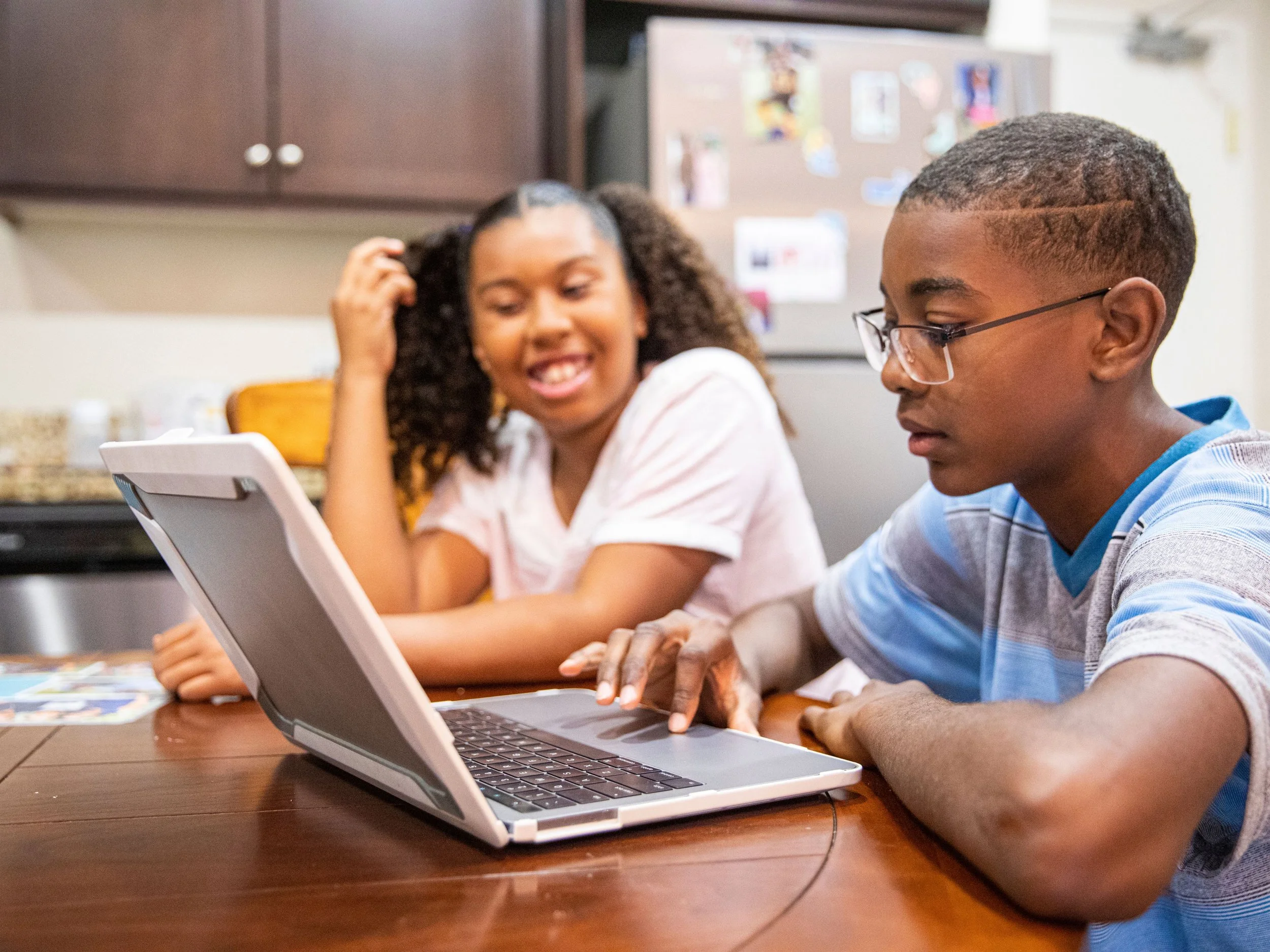
At the kitchen table
Outside on a blanket
During library trips
Through conversations
While baking cookies
During everyday life
So if you’re standing at the beginning of your homeschool journey wondering what you truly need, this post is here to help simplify everything.
We’re breaking down:
The real homeschool essentials
What you can skip at first
Budget-friendly homeschool supplies
Helpful extras (that aren’t required)
Homeschool curriculum basics
Simple ways to create a successful homeschool environment
Take a deep breath.
You probably already have more homeschool essentials than you realize.
The Truth About Homeschooling Supplies
Homeschooling Doesn’t Have To Be Complicated
One of the biggest misconceptions about homeschooling is that you need to recreate a traditional classroom at home.
You don’t. Homeschooling works because it’s different.
You aren’t trying to copy school. You’re creating a customized learning environment that works for your family.
That means:
Flexible schedules
Personalized learning
Real-life experiences
Less busywork
More freedom
Learning through everyday activities
And honestly? Children often learn best in relaxed environments where they feel safe, comfortable, and engaged.
Especially in the beginning, simplicity is your best friend.
You can always add more later. But starting simple helps prevent:
Burnout
Overspending
Curriculum overwhelm
Unrealistic expectations
If you’re brand new to homeschooling, you may also enjoy reading our posts:
Homeschooling for Beginners: Everything You Need To Know Before You Start
State-by-State Homeschool Requirements: What Beginners Need To Know
These posts pair perfectly with today’s topic if you’re still figuring out your homeschool setup.
What Do You Actually Need To Homeschool?
The Simple Homeschool Essentials List
Let’s simplify this as much as possible.
At the most basic level, homeschooling really only requires a few core things.
1. A Willingness To Learn Alongside Your Child
The Most Important Homeschool Essential
Before we even talk about supplies, let’s start here.
The biggest thing you need to homeschool is not a degree, teaching certificate, or perfectly organized homeschool room.
It’s a willingness to learn alongside your child. Many new homeschool parents worry:
“What if I’m not good at math?”
“What if I forget things?”
“What if I mess this up?”
But homeschooling is not about knowing everything already.
It’s about:
Guiding learning
Helping your child find answers
Staying curious
Being consistent
Building habits over time
You don’t need to become a perfect teacher overnight. You just need to be willing to show up.
And honestly? Homeschooling often becomes just as much of a learning journey for parents too.
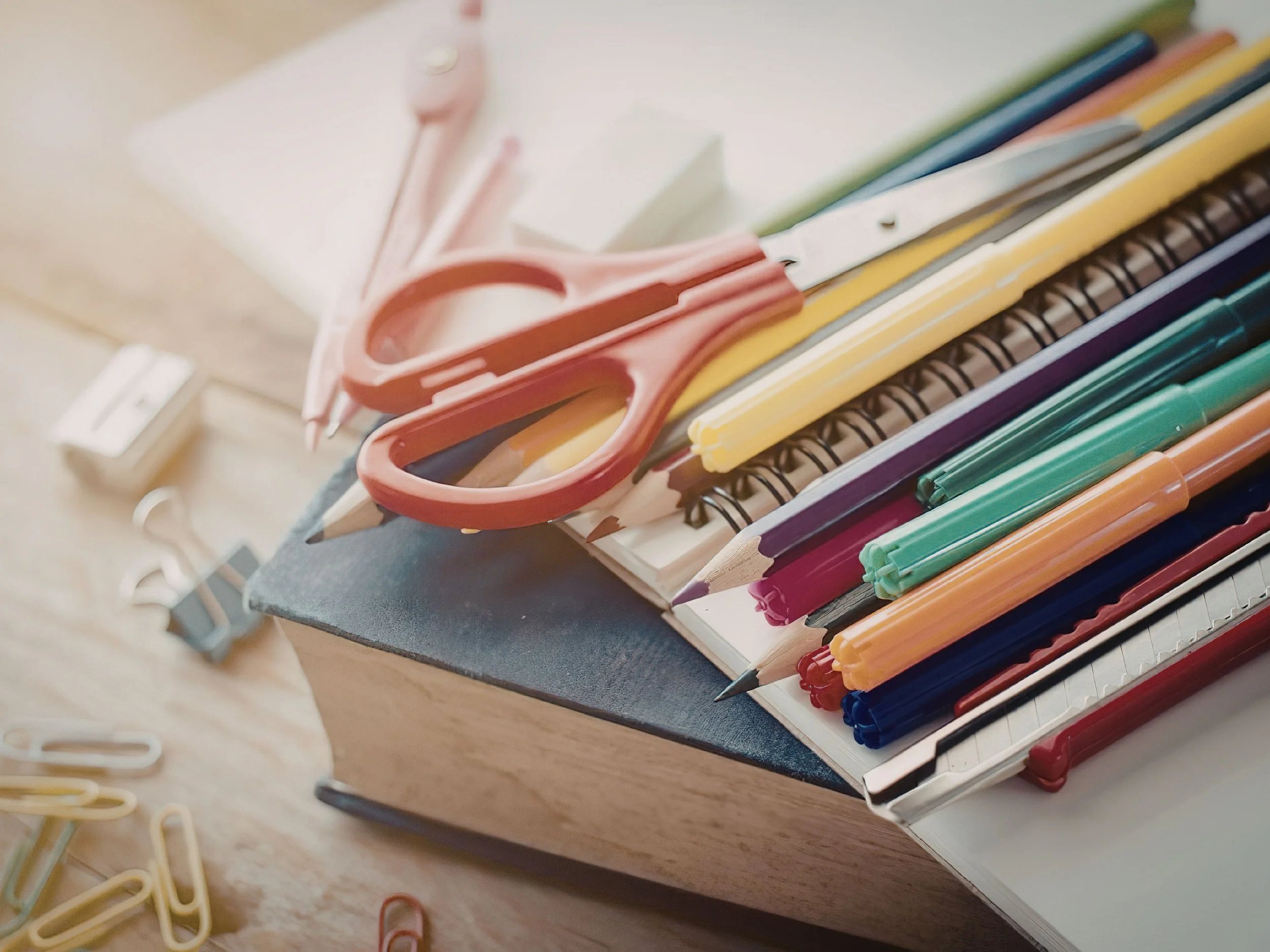
2. Basic School Supplies for Homeschooling
Simple Homeschool Supplies You’ll Actually Use
You really do not need an entire classroom setup.
Most homeschool families can start with:
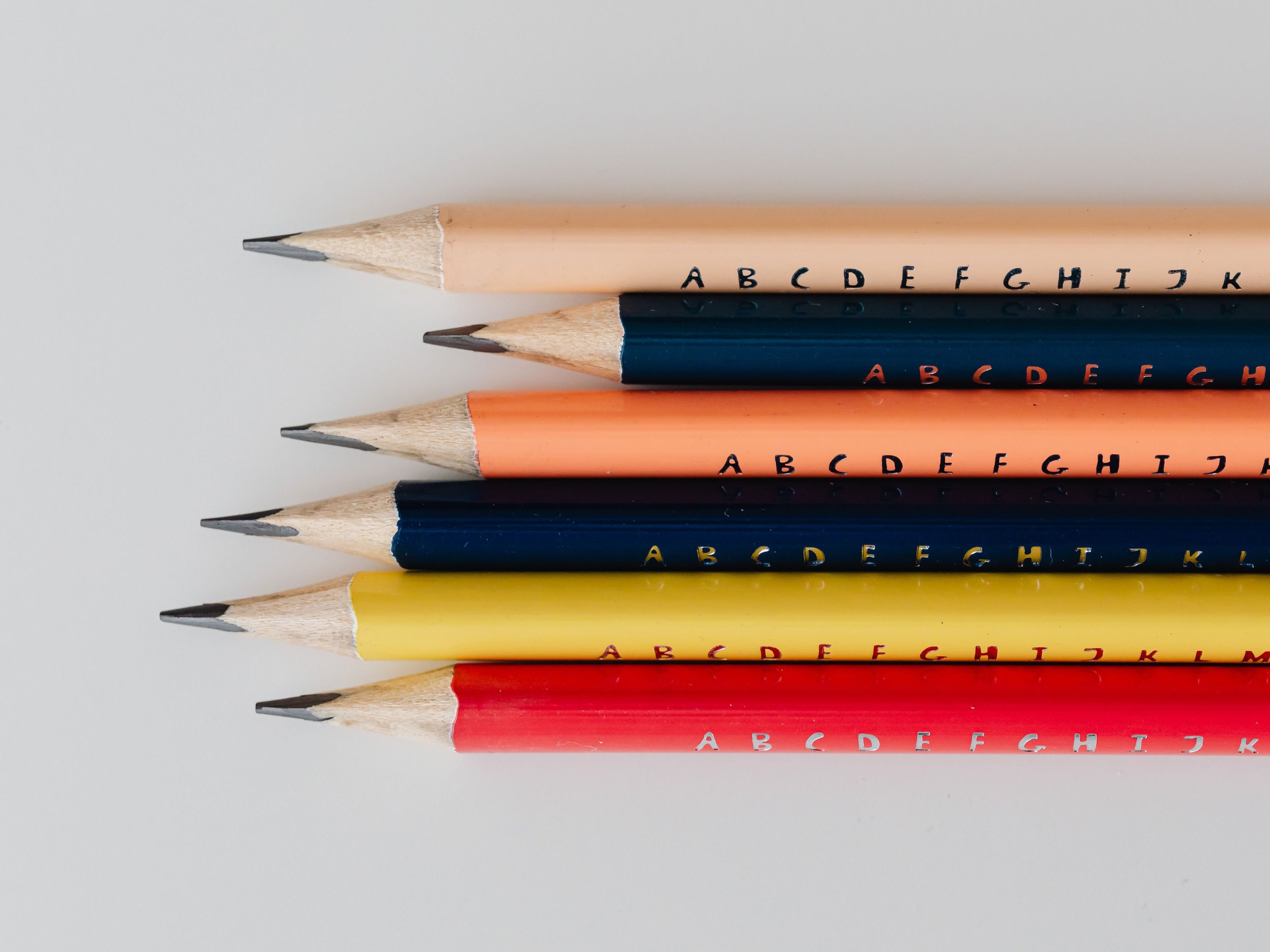
Pencils
Crayons or colored pencils
Markers
Scissors
Glue sticks
Paper
Notebooks
Printer paper
Folders or binders
Dry erase markers
A simple pencil sharpener
That’s it. Seriously.
You can buy most of these affordably during back-to-school sales.
And honestly? Younger kids especially tend to learn best through simple hands-on activities rather than expensive materials.
3. A Reading Routine
Books Are One of the Best Homeschool Resources
If there’s one thing worth investing in, it’s books.
Reading opens the door to:
Vocabulary development
Imagination
Writing skills
Critical thinking
History
Science
Creativity
And the good news is you don’t need to buy hundreds of books.
Libraries are homeschool gold.
A few types of books that are especially helpful:
Picture books
Beginner readers
Chapter books
Read-alouds
Nonfiction books
Nature guides
Poetry books
Reading together consistently matters far more than owning huge collections.
If you’re looking for reading inspiration, check out our book recommendation posts and beginner reader resources here on Simply Kerene.
4. A Simple Curriculum (Not 12 Different Ones)
Choosing Homeschool Curriculum Without Overwhelm
This is where many new homeschoolers panic.
But here’s something important to remember: you do not need the “perfect” curriculum.
You just need something that helps you get started. Especially early on, focus on the basics:
Reading
Writing
Math
Everything else can naturally be added over time.
Some families use:
Online curriculum
Workbooks
Unit studies
Charlotte Mason methods
Eclectic homeschooling
Traditional curriculum
Unschooling approaches
There is no one “right” way to homeschool.
And here’s another important reminder:
A curriculum that works for one family may not work for another.
That’s normal.
Homeschooling often involves trial and error in the beginning.
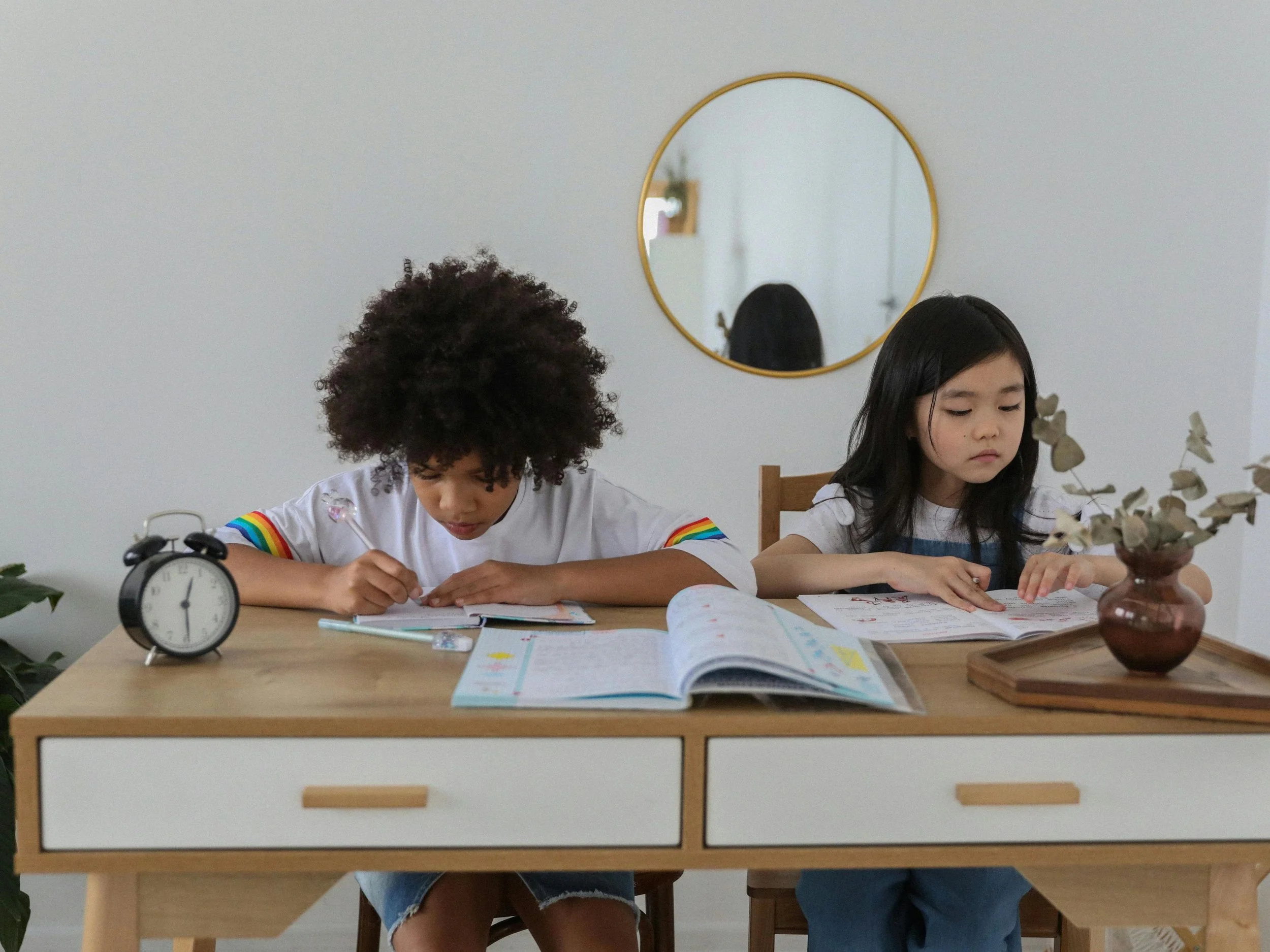
5. A Comfortable Learning Space
You Don’t Need a Fancy Homeschool Room
This one surprises people. You absolutely do not need:
A dedicated classroom
Expensive desks
Elaborate organization systems
Instagram-worthy setups
Homeschooling can happen:
At the dining table
On the couch
Outside
In bedrooms
At the library
At parks
During errands
The goal is simply creating a space where your child can focus comfortably.
That’s it.
Some homeschool families thrive with structured setups. Others prefer relaxed environments.
Neither is wrong.
What matters most is that learning feels approachable and sustainable for your family.
6. Access to the Internet (Helpful, But Not Mandatory)
Online Resources for Homeschoolers
While homeschooling absolutely existed before the internet, having online access can make things much easier.
Helpful online homeschool resources include:
Educational videos
Virtual field trips
Printable worksheets
Online curriculum
Audiobooks
Educational games
Research tools
Free resources alone can cover an incredible amount of learning.
Some popular educational platforms homeschoolers enjoy include:
Khan Academy
PBS Kids
National Geographic Kids
NASA resources
YouTube educational channels
That said, homeschooling does not need to revolve around screens all day.
Balance is key.
7. Flexibility
One of the Most Valuable Homeschool Tools
This may sound strange to include on a homeschool essentials list, but flexibility is genuinely one of the most important things you can have.
Some days will go beautifully.
Other days? Not so much.
And that’s okay.
One of the best parts of homeschooling is having the freedom to adjust when needed.
You can:
Slow down
Take breaks
Change curriculum
Learn differently
Follow interests
Shift schedules
Rest when necessary
Flexibility allows homeschooling to work with your family instead of against it
8. Real-Life Learning Opportunities
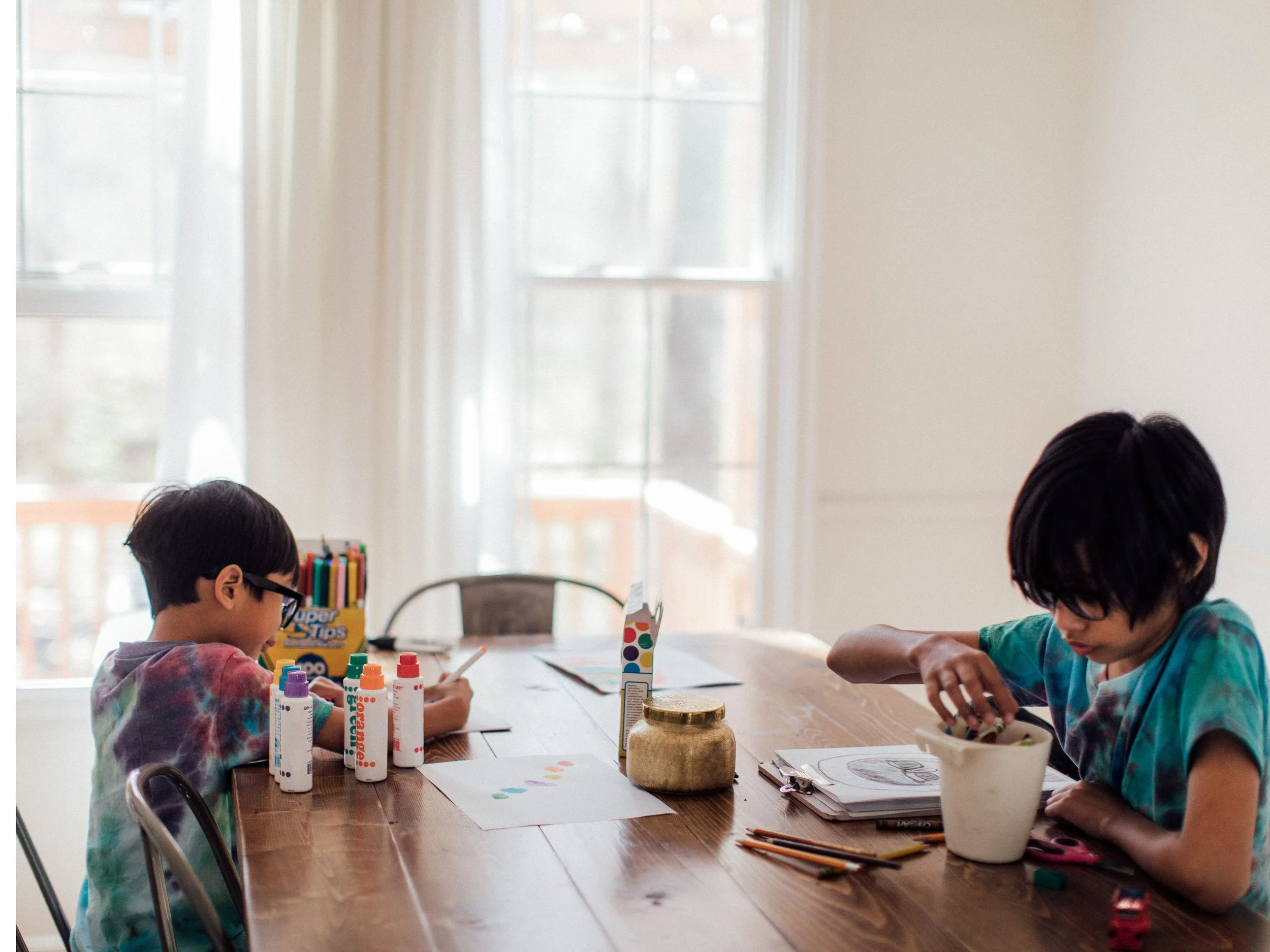
Everyday Life Counts as Education
This is one of the most freeing realizations in homeschooling.
Learning happens everywhere. Children learn through:
Cooking
Grocery shopping
Gardening
Budgeting
Baking
Traveling
Playing
Conversations
Nature walks
Helping around the house
Life skills matter too.
And honestly? Many everyday experiences teach children more deeply than worksheets ever could.
What You DON’T Need To Start Homeschooling
Homeschool Supplies You Can Skip (At Least For Now)
Let’s save you some money.
You probably do not need:
A laminator
Hundreds of manipulatives
Expensive classroom decor
Fancy storage systems
Massive curriculum collections
Educational subscriptions for everything
Every trending homeschool product online
Can those things be fun? Sure.
But are they necessary? Absolutely not.
It’s very easy to accidentally overbuy when starting homeschooling.
Many homeschool moms eventually realize they spent money on things they barely used.
Start simple first. Add only what genuinely helps later.
Budget-Friendly Homeschool Tips
How To Homeschool Without Spending a Fortune
Homeschooling does not have to drain your bank account. Here are some easy ways to save money:
Use the Library
This is probably the ultimate homeschool hack.
Libraries offer:
Books
Audiobooks
DVDs
Educational events
Free internet
Workshops
Homeschool programs
Buy Used Curriculum
Facebook Marketplace, homeschool groups, and used curriculum sales can save huge amounts of money.
Print Selectively
Not every worksheet needs printing. Sometimes less paper honestly feels less overwhelming too.
Focus on Core Subjects First
You don’t need elaborate extras immediately. Strong reading and math foundations go a long way.
Utilize Free Online Resources
There are SO many amazing free educational tools available now.
Homeschool Essentials by Age
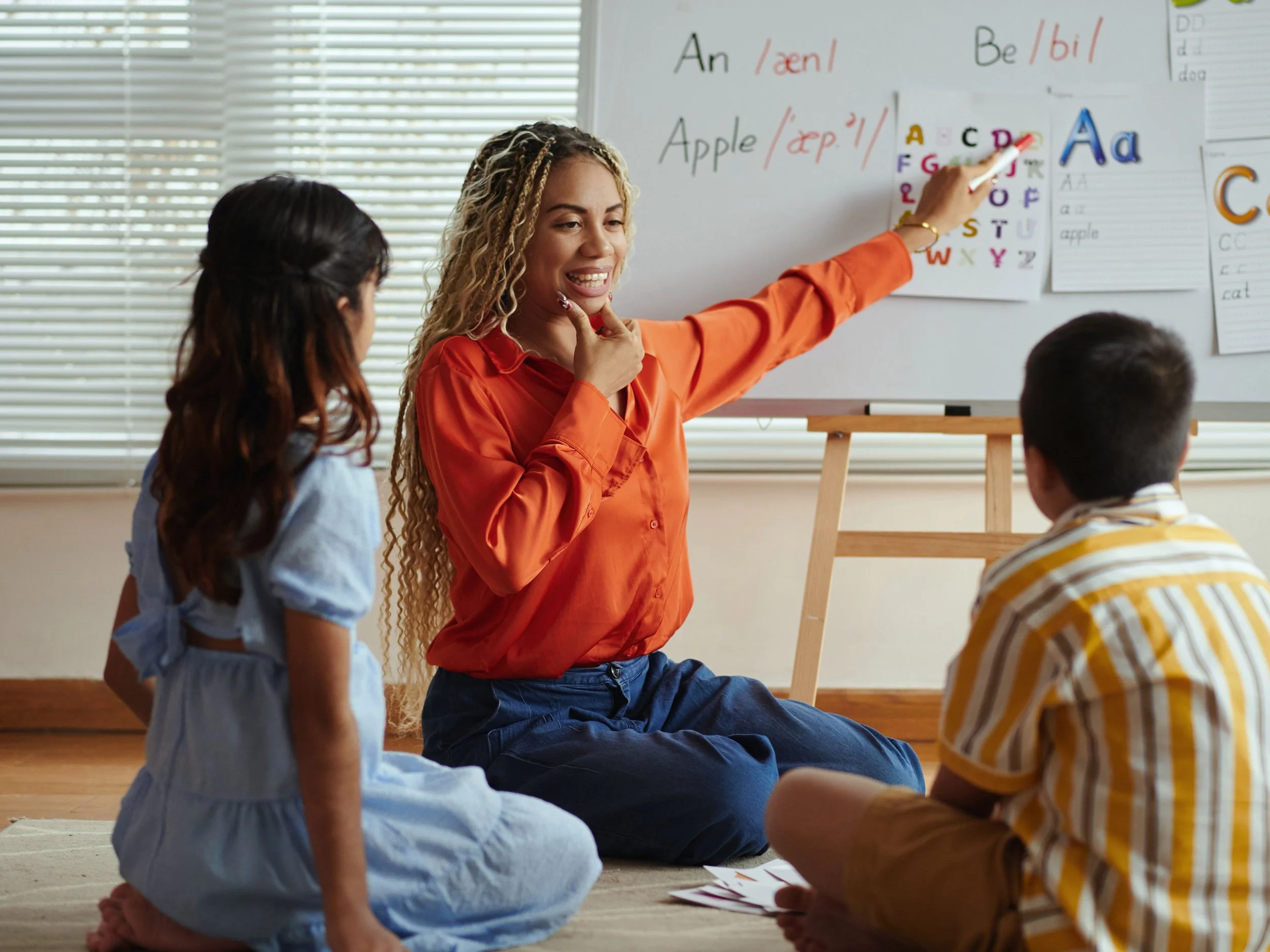
Preschool Homeschool Essentials
Books
Play-based learning
Art supplies
Outdoor play
Songs and stories
Fine motor activities
Elementary Homeschool Essentials
Reading curriculum
Basic math curriculum
Writing practice
Hands-on activities
Read-aloud books
Middle and High School Essentials
Independent learning tools
Research skills
Strong reading habits
Subject-specific resources
Time management systems
The older children get, the more independent homeschooling can become.
The Most Important Thing You Need To Homeschool Successfully
Confidence Builds Over Time
Here’s what many new homeschool parents don’t realize: almost everyone feels uncertain at first.
Even experienced homeschool moms started somewhere.
You will learn:
What works
What doesn’t
How your child learns best
What rhythms fit your family
What subjects need adjustment
Homeschool confidence grows through experience - not perfection.
You do not need to have everything figured out before you begin. You just need to start.
Final Thoughts on Homeschool Essentials
You Need Less Than You Think
Homeschooling can absolutely feel overwhelming in the beginning, especially online where it seems like everyone has perfectly curated homeschool spaces and endless supplies.
But real homeschooling usually looks much simpler.
At the heart of homeschooling, children truly need:
Loving guidance
Consistency
Curiosity
Reading
Conversation
Real-life experiences
Time to grow
The rest? You can build along the way.
Don’t let perfectionism stop you from starting.
Your homeschool does not need to look like anyone else’s to be successful.
And honestly, some of the most meaningful homeschool moments happen in the simplest ways.
A stack of library books.
A conversation during breakfast.
A nature walk.
A messy science experiment.
A child suddenly excited to learn something new.
That’s homeschooling too.
What’s One Homeschool Supply or Resource You Couldn’t Live Without?
Share your favorite homeschool essential in the comments! Your recommendation might help another new homeschool family simplify their homeschool journey.