
Your First 30 Days of Homeschooling: A Simple Beginner’s Guide to Starting With Confidence
Starting homeschooling can feel exciting…and completely overwhelming at the exact same time.
One minute you’re imagining cozy read-alouds on the couch, peaceful mornings, and children happily learning at their own pace. The next minute you’re panic-Googling things like:
“Do homeschoolers need desks?”
“What if my child hates math?”
“How long does homeschooling take each day?”
“Am I ruining my kids?!”
If that sounds familiar, welcome. You are officially a homeschool parent now.
Here’s the good news: your first 30 days of homeschooling do not need to look perfect to be successful. In fact, most homeschool families spend their first month simply figuring out rhythms, routines, and what actually works for their children.
The beginning is less about creating a Pinterest-perfect homeschool and more about building confidence one day at a time.
This guide will walk you through your first 30 days of homeschooling step-by-step so you can stop overthinking and start homeschooling with a little more peace and a lot less pressure.
Why The First Month of Homeschooling Feels So Hard
Before we jump into schedules and supplies, let’s talk about something important:
The first month of homeschooling is usually the hardest emotionally.
Why?
Because you’re learning too. You’re learning:
how your children learn at home
how to manage your time
how to balance housework and teaching
what curriculum works
how to trust yourself
And honestly? That takes time.
Many new homeschool parents think they’re failing because homeschooling feels messy at first. But messy beginnings are normal.
Traditional school teachers spend years learning classroom management and lesson planning. You are learning an entirely new lifestyle in real time.
Give yourself grace during these first 30 days.
You do not need to “master” homeschooling this month.
You just need to begin.
If you’re still in the planning phase, you may also enjoy reading our post on What Do You Actually Need To Homeschool? (The Simple Essentials List).
Week 1 of Homeschooling: Focus on Routines, Not Perfection
The Biggest Mistake New Homeschoolers Make
One of the biggest mistakes new homeschoolers make is trying to recreate traditional school at home.
You do not need:
8-hour school days
rigid schedules
classroom desks
bells and worksheets all day
Homeschooling works best when it feels flexible and sustainable.
During your first week, your main goal should simply be establishing a rhythm.
That’s it.
Not finishing every workbook page.
Not sticking perfectly to a schedule.
Not impressing Instagram homeschool moms.
Just rhythm.
Create a Simple Daily Homeschool Routine
Your homeschool routine can be incredibly simple.
A beginner homeschool day might look like this:
Morning
Breakfast
Get dressed
Quick tidy-up
Morning basket or read-aloud
Core Learning Time
Math
Language Arts
Writing
Afternoon
Lunch
Outside time
Educational games
Quiet reading
That’s enough. Seriously.
Many new homeschoolers are shocked to discover that elementary homeschool often takes only 1-3 hours per day.
The beauty of homeschooling is efficiency.

Keep Homeschool Supplies Minimal
You do not need an entire classroom setup before you begin.
Start with:
pencils
crayons
notebooks
printer paper
a few books
your curriculum
That’s it.
You can always add more later after discovering what your family actually uses.
Trying to buy everything upfront often leads to wasted money and clutter.
Simple is easier to maintain.
Expect Emotional Ups and Downs
The first week may feel exciting one day and disastrous the next.
Your child may resist.
You may question yourself.
Everyone may feel emotional.
That’s normal. Remember: your children are adjusting too.
They’re learning:
new routines
new expectations
how to learn at home
how to spend more time together
Give everyone time to settle in.

Week 2 of Homeschooling: Finding Your Homeschool Rhythm
Stop Comparing Your Homeschool to Social Media
Week two is often when comparison starts creeping in.
You’ll see homeschool rooms with:
aesthetic wooden toys
color-coded bins
perfect nature tables
elaborate crafts
spotless homes
Meanwhile you’re reheating coffee for the third time while your toddler colors on the wall.
Listen carefully:
Social media is a highlight reel. Real homeschooling often looks like:
reading on the couch
math at the kitchen table
audiobooks in the car
pajamas until noon
messy counters
kids interrupting lessons
That does not mean you’re doing it wrong.
In fact, that’s usually what real homeschool life looks like.
You may also enjoy our post on When Homeschool Days Go Wrong: How To Build A Stress-Free Backup Plan for those inevitable chaotic days.
Learn Your Child’s Learning Style
Your first 30 days are a great time to observe how your child learns best.
Do they:
love hands-on activities?
prefer audiobooks?
need movement?
struggle sitting still?
enjoy independent work?
learn better outside?
Homeschooling gives you the freedom to adapt learning to your child instead of forcing your child to adapt to a system.
That flexibility is one of the biggest homeschool advantages.

Don’t Overload Your Schedule
New homeschoolers often try to do too much. You do not need:
five extracurriculars
complicated unit studies
elaborate crafts daily
every homeschool trend
Start small.
A peaceful homeschool is better than an overloaded homeschool.
Focus on:
reading
math
connection
consistency
Everything else can grow later.
Week 3 of Homeschooling: Building Confidence as a Homeschool Parent
You Are Probably Doing Better Than You Think
By week three, many homeschool parents start doubting themselves.
This is usually the point where the excitement fades and reality kicks in.
You may wonder:
“Is this enough?”
“Am I qualified?”
“Are my kids learning?”
“Should we quit?”
Take a deep breath.
Homeschool confidence is built through experience - not perfection.
The fact that you care this much already says a lot.

Homeschooling Does Not Have to Look Like Traditional School
One of the best parts of homeschooling is that learning can happen anywhere.
Learning counts when your child:
helps cook dinner
reads comic books
builds LEGO creations
gardens
listens to podcasts
asks endless questions
plays educational games
Real learning is not limited to worksheets.
Once many parents let go of the “school-at-home” mindset, homeschooling becomes much more enjoyable.
Start Creating Family Homeschool Traditions
The first month is a great time to build small traditions your kids will remember.
Simple ideas:
Friday movie afternoons
library day
morning tea together
read-aloud time
nature walks
themed lunches
poetry breakfast
Homeschooling is about more than academics. You’re building a family culture too.
Week 4 of Homeschooling: Adjusting and Simplifying
Evaluate What’s Working (and What Isn’t)
By the fourth week, you’ll likely notice:
what subjects flow easily
where your child struggles
what times work best
what causes stress
This is the perfect time to simplify.
Not every curriculum works for every child.
Not every schedule works for every family.
And that’s okay.
Homeschooling works best when you stay flexible.
Give Yourself Permission to Change Things
A huge homeschooling mindset shift is realizing you are allowed to pivot.
You can:
change curriculum
shorten lessons
take breaks
switch routines
try new approaches
You are not stuck. The beauty of homeschooling is customization.
Focus on Connection Before Academics
If your homeschool days feel tense, focus on reconnecting first.
Connection matters.
Children learn better when they feel:
safe
connected
relaxed
supported
Sometimes the most productive homeschool day is the one where you pause academics and simply reconnect as a family.

Common Homeschooling Fears During The First 30 Days
“What If I’m Not Patient Enough to Homeschool?”
Most homeschool parents are not endlessly patient.
Homeschooling does not require perfection.
It requires growth. You build patience over time.
“What If My Child Falls Behind?”
Children learn at different paces.
One of the biggest benefits of homeschooling is allowing children to move at the speed that works for them instead of forcing everyone into the same timeline.
Many homeschooled children actually thrive once pressure is reduced.
“What If I Don’t Know Enough?”
You do not need to know everything. You simply need to be willing to learn alongside your child.
There are countless homeschool resources, communities, books, online programs, and tools available today.
You are not expected to have all the answers.
Easy Homeschool Tips for Beginners
Keep Your Homeschool Day Short
Especially for younger kids. Young children learn best through:
play
reading
conversation
exploration
You do not need hours of seat work.
Read Together Every Day
If you do one thing consistently during your first 30 days, let it be reading aloud.
Reading together:
builds connection
improves vocabulary
strengthens comprehension
creates cozy memories
Books are one of the most powerful homeschool tools.
Go Outside Often
Fresh air helps everyone.
Nature walks, playground time, backyard play, and simple outdoor exploration can completely reset a difficult homeschool day.
Don’t Try to Copy Another Family’s Homeschool
Your homeschool should fit YOUR:
children
personality
lifestyle
goals
A homeschool that works beautifully for one family may feel terrible for another. And that’s okay.
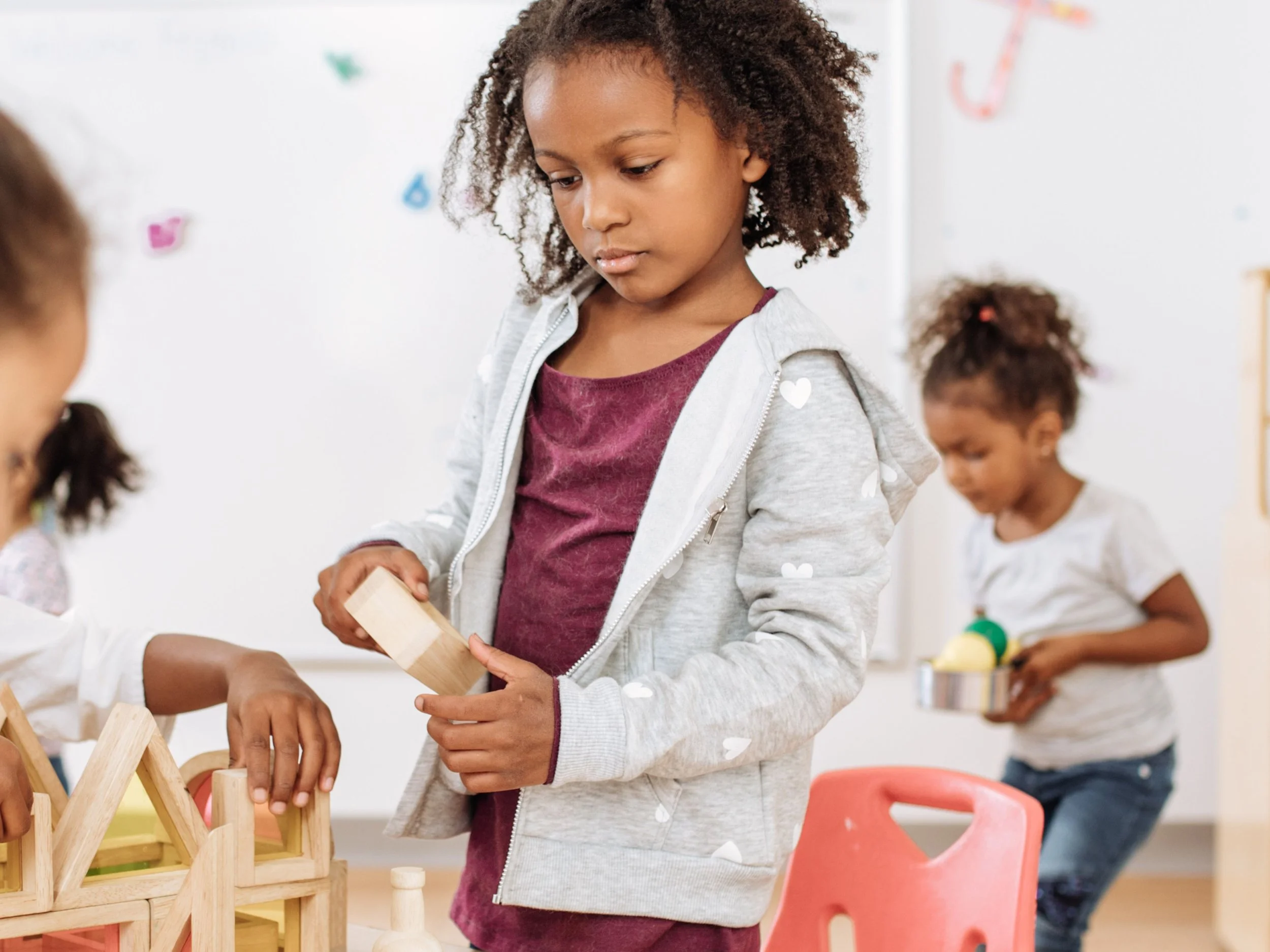
What You Actually Need During Your First 30 Days of Homeschooling
Here’s what matters most:
You Need Consistency More Than Perfection. Small consistent habits matter more than elaborate plans.
You Need Flexibility. Homeschooling often requires adjusting expectations.
You Need Confidence to Keep Going. Confidence grows through doing. Not through waiting until you feel fully ready.
You Need Community: Homeschooling feels easier when you connect with others.
Look for:
homeschool groups
library programs
co-ops
online homeschool communities
You were never meant to homeschool completely alone.
You may also enjoy reading our post on Homeschooling For Beginners: Everything You Need To Know Before You Start (Without Feeling Completely Overwhelmed) for even more beginner encouragement and practical tips.
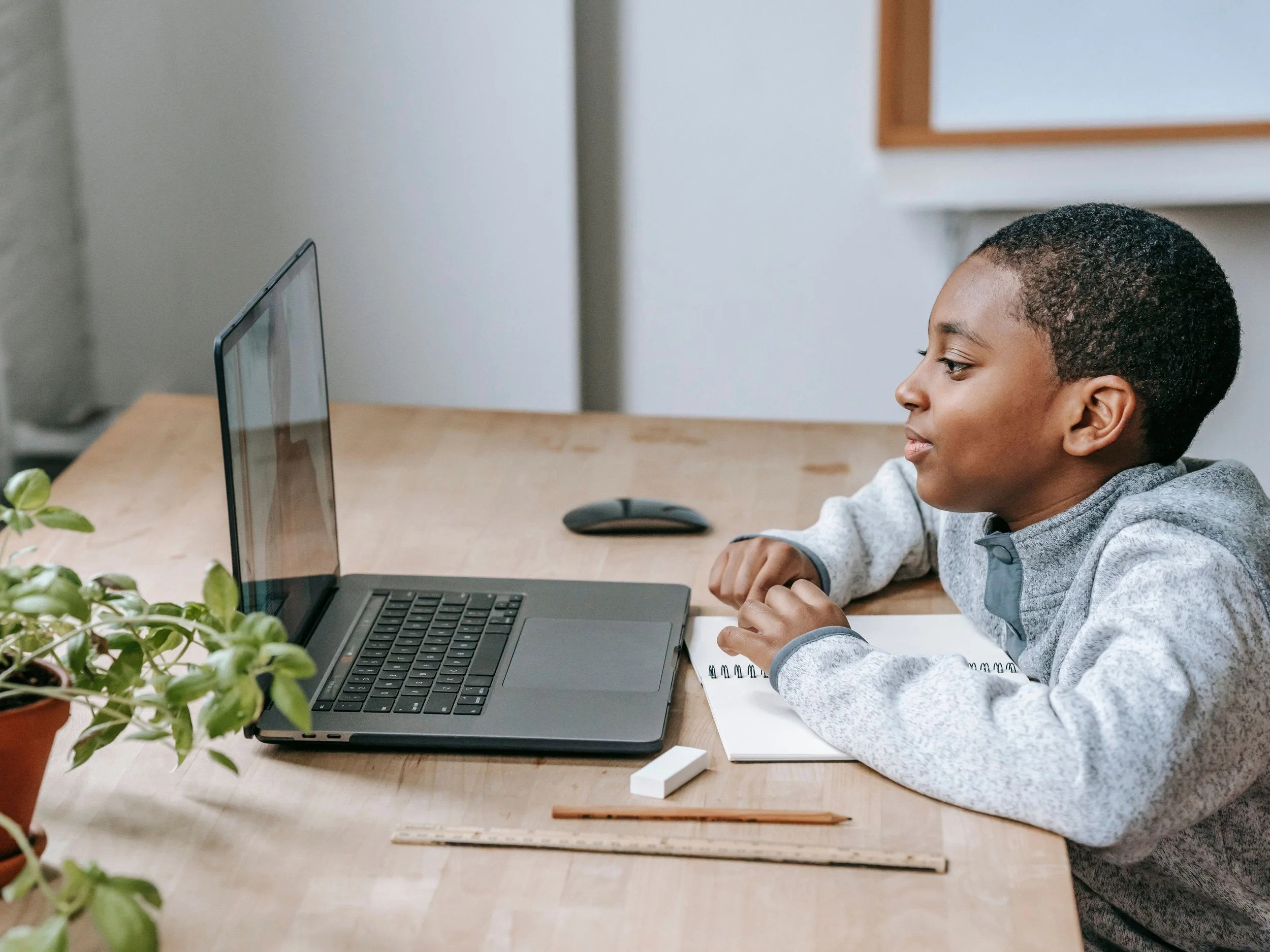
Your First 30 Days of Homeschooling Matter Less Than You Think
Here’s something many veteran homeschoolers eventually realize: the first month is not about creating the perfect homeschool.
It’s about learning how to live this new lifestyle together.
Some days will feel magical.
Some days will feel messy.
Some days will feel both.
That’s normal.
Your children do not need a perfect homeschool parent.
They need a present one.
And every day you show up, learn, adjust, and keep trying, you are building something beautiful.
Final Encouragement for New Homeschool Parents
If you’re in your first 30 days of homeschooling right now, here’s your reminder: you do not need:
a perfect house
expensive curriculum
fancy supplies
teacher-level expertise
perfectly behaved kids
You simply need the willingness to begin.
Homeschooling is a journey.
And like most meaningful things, confidence comes after you start - not before.
So take the pressure off.
Start simple.
Stay flexible.
Focus on connection.
And trust that you will grow into this.
Because you probably already care far more than you realize.
What Was The Hardest Part of Starting Homeschooling?
If you’re a new homeschool parent, I’d love to hear from you in the comments:
What has been the biggest challenge during your first 30 days of homeschooling?
Or if you’ve been homeschooling for a while, what advice would you give to beginners just getting started?