
How Many Hours A Day Does Homeschool Really Take? (The Honest Answer Most Parents Need To Hear)
If you’re thinking about homeschooling, there’s a good chance this question has crossed your mind at least 47 times already:
“Wait…how many hours a day do homeschoolers actually spend doing school?”
Because when most people picture homeschooling, they imagine recreating public school at home.
Six to eight hours at the kitchen table.
Stacks of worksheets.
A stressed-out parent.
A child dramatically sliding off their chair by 10:14 AM.
But here’s the thing most homeschooling families quickly discover: Homeschooling usually takes WAY less time than traditional school.
Like…a lot less.
And honestly? That realization shocks almost everyone in the beginning.
You do not need to homeschool for 7 hours a day to give your child a solid education. In fact, many homeschool families finish their formal lessons in just 2–4 hours depending on age, learning style, and season of life.
Yes, really.
The beauty of homeschooling is that education becomes more efficient, flexible, and customized. You can focus on what actually matters instead of managing a classroom of 25 students, waiting in lunch lines, transitioning between subjects, or spending half the day on administrative tasks.
Homeschooling doesn’t have to look like “school at home.”
And if you’ve been overwhelmed by the idea of fitting homeschooling into your life, this post is going to help you breathe a little easier.
Let’s talk about what homeschool days really look like, how long homeschooling actually takes by age, and why shorter homeschool days can still lead to BIG learning.

Why Homeschooling Usually Takes Less Time Than Traditional School
One of the biggest surprises for new homeschool parents is realizing how much time traditional schools spend on things that are not actual learning.
Think about a typical school day:
Morning announcements
Classroom management
Attendance
Transitions between classes
Waiting for everyone to finish
Bathroom breaks for 20+ students
Lunch
Recess
Bus schedules
Standardized test prep
Group instruction paced for an entire classroom
None of those things are “bad,” but they do take up a LOT of time.
At home, you’re teaching one child (or a few children), not managing a classroom of 30 students. That means:
Lessons move faster
Kids get more one-on-one help
You can skip busywork
Subjects can blend together naturally
Children often retain information more quickly
Many homeschoolers are able to cover core academic subjects in a fraction of the time because the learning is focused and individualized.
And honestly? Kids are often less mentally exhausted too.
How Many Hours A Day Does Homeschool Really Take By Age?
One of the best things you can do as a homeschool parent is stop comparing your child’s homeschool hours to traditional school hours.
Young children especially do NOT need six hours of formal academics every day.
Here’s a realistic breakdown of what homeschooling often looks like by age.
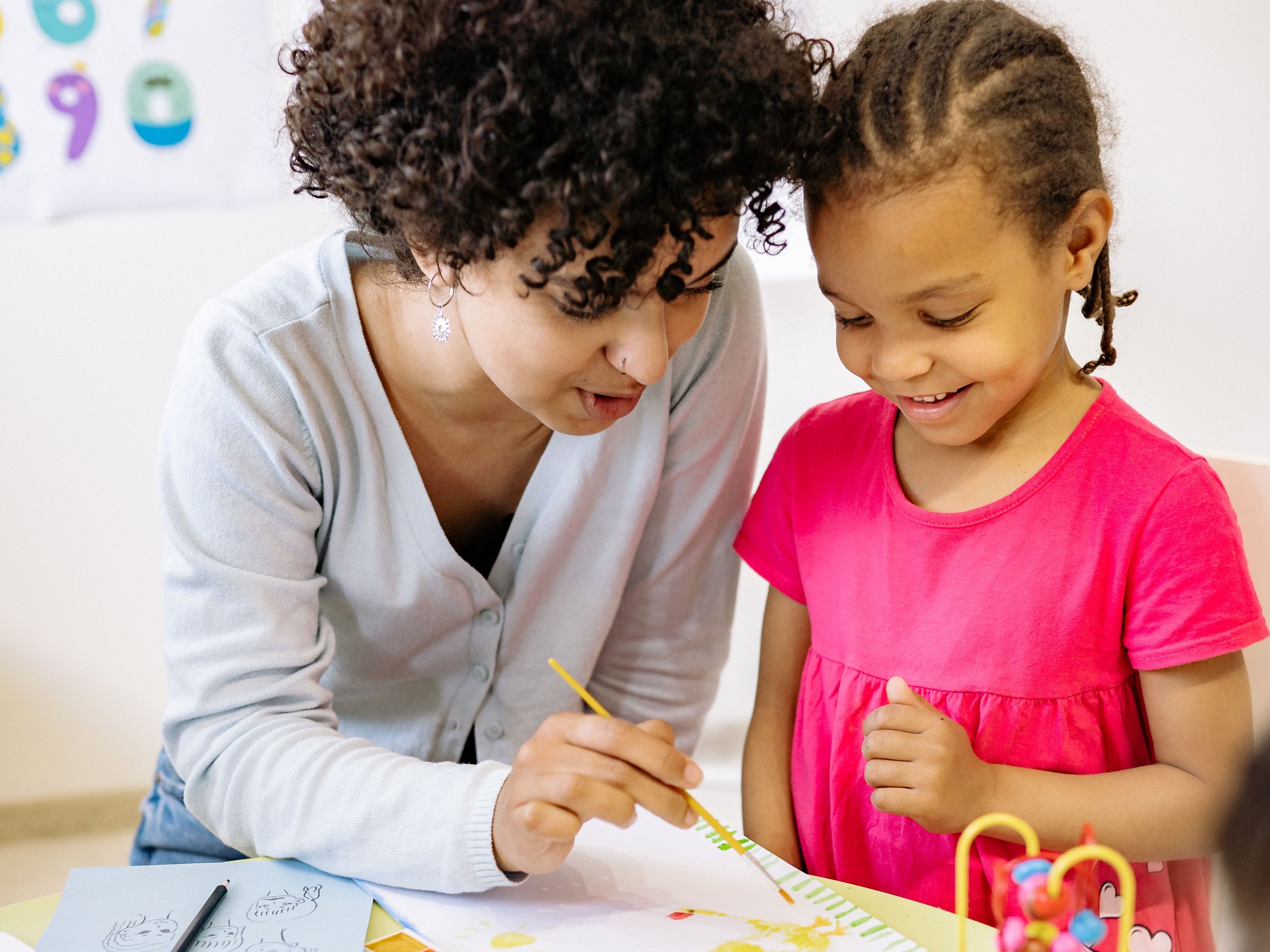
Preschool Homeschool Hours (Ages 3-5)
Typical Time: 30 minutes to 2 hours total
And honestly? Even that can be spread throughout the day.
Preschool homeschooling is mostly:
Reading books
Playing
Exploring outside
Arts and crafts
Sensory play
Practicing letters and numbers
Life skills
Little kids learn best through play and everyday experiences.
You do not need elaborate lesson plans or a rigid school schedule to homeschool preschoolers successfully.
Some days might look like:
Reading books on the couch
Counting blueberries at lunch
Painting outside
Practicing letter sounds for 10 minutes
This all counts as learning.
If you’re homeschooling little ones, you may love reading: “Homeschooling For Beginners: Everything You Need To Know Before You Start.”
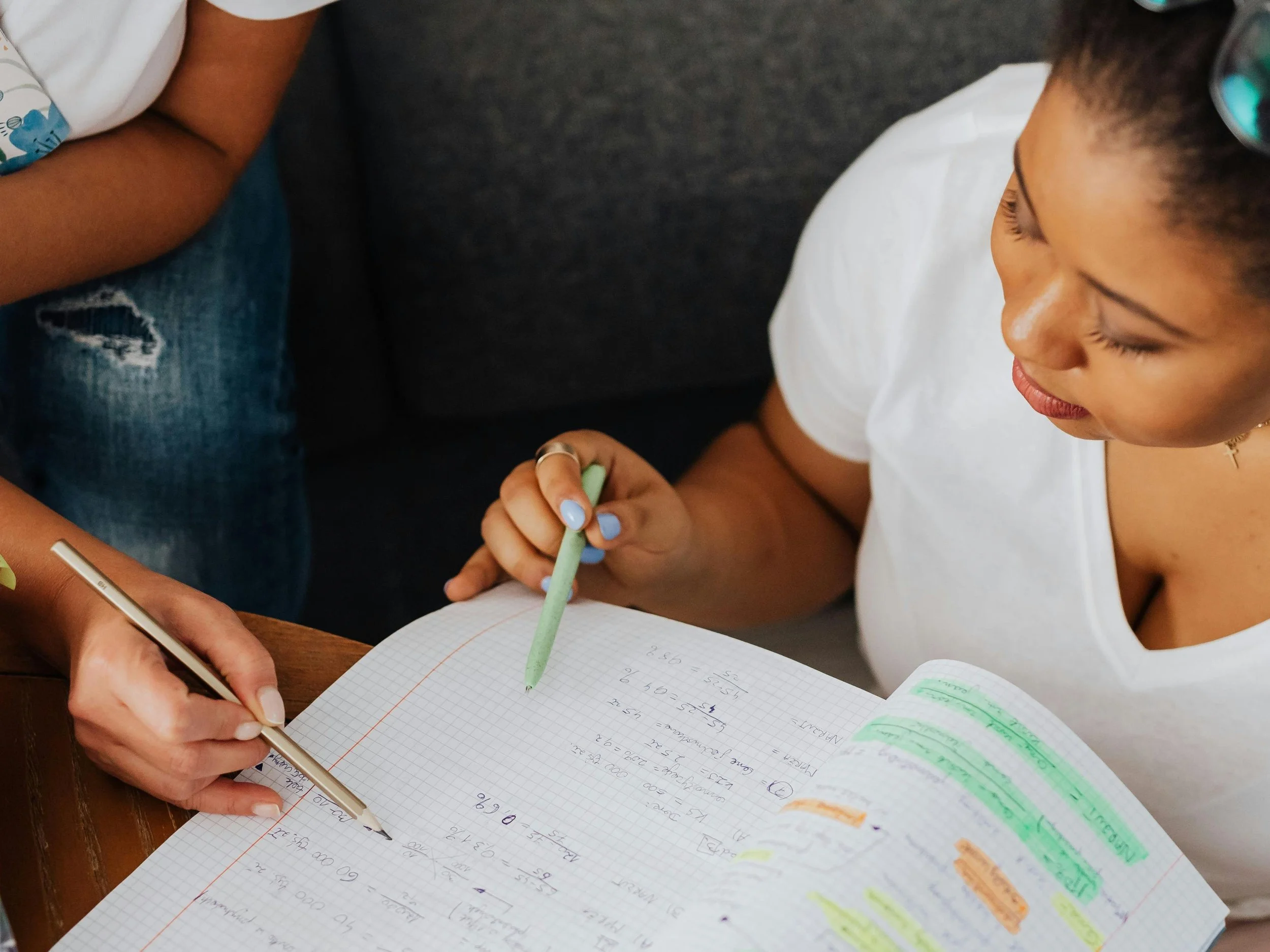
Elementary Homeschool Hours (Ages 6–10)
Typical Time: 2-4 hours total
This is where many parents begin realizing homeschooling is much more manageable than they expected.
Elementary homeschool often includes:
Reading
Math
Writing
Science
History
Hands-on activities
Read-alouds
Most families can complete core subjects before lunch.
Especially in the early elementary years, children are still developing attention spans. Long school days are usually unnecessary and often counterproductive.
A realistic homeschool day may look like:
20 minutes of math
20 minutes of reading
15 minutes of handwriting
A science activity
A read-aloud together
Outdoor play
Independent reading
Done by noon.
And no, your child is not “behind” because school ended earlier than public school.
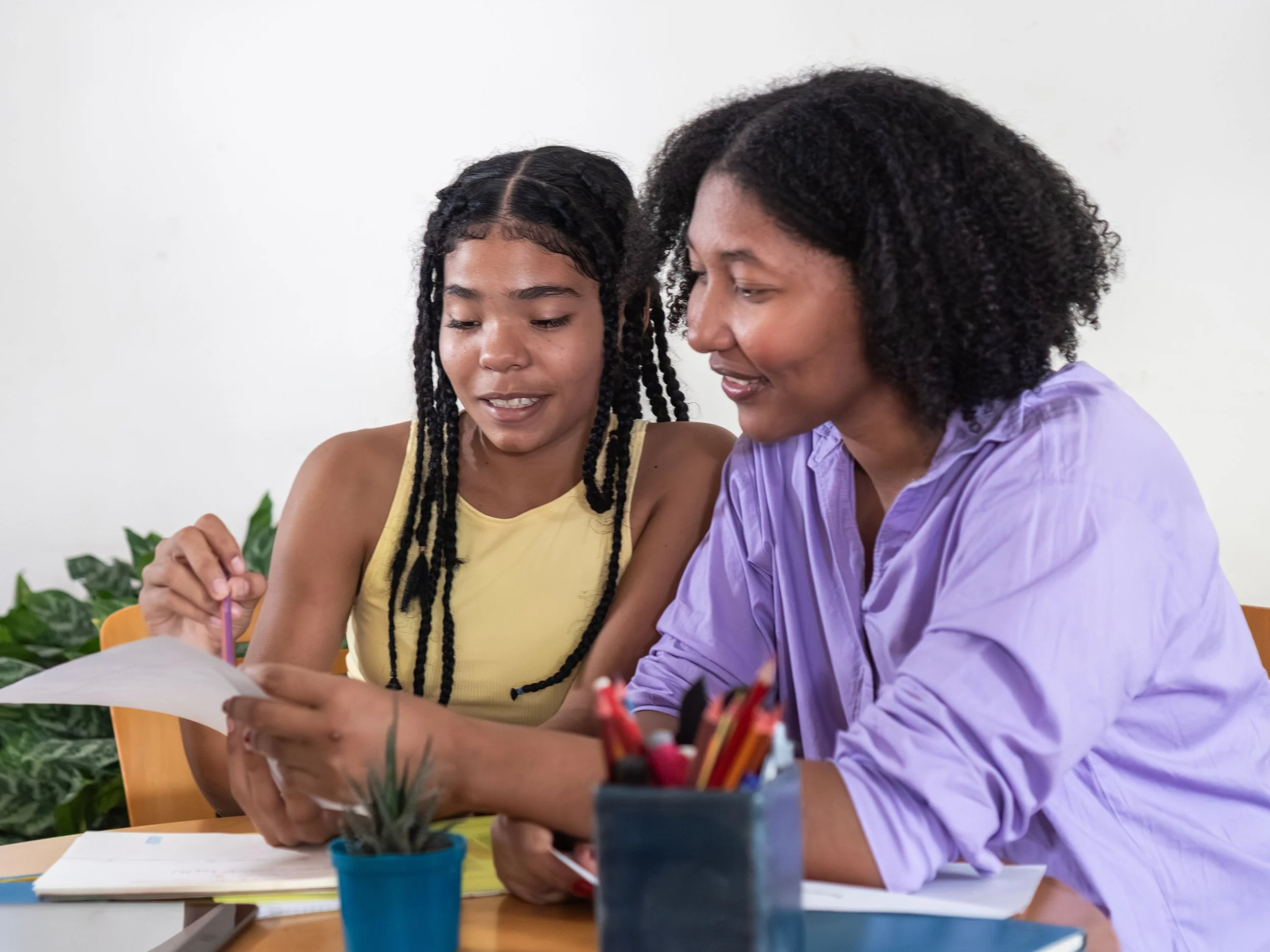
Middle School Homeschool Hours (Ages 11–13)
Typical Time: 3-5 hours total
As kids grow, homeschool days naturally get a bit longer because subjects become more advanced and independent work increases.
Middle schoolers may spend more time:
Writing essays
Completing projects
Reading independently
Practicing skills
Using online programs
Participating in co-ops or extracurriculars
But homeschooling is still often more efficient than traditional school.
This age is also a great time to encourage independent learning habits.
Homeschooling doesn’t mean you’re lecturing all day long. Many older students can complete assignments independently while you guide and support as needed.
High School Homeschool Hours (Ages 14–18)
Typical Time: 4-6 hours total
High school homeschooling tends to look more like a mix of:
Independent coursework
Online classes
Dual enrollment
Electives
Projects
Part-time jobs
Volunteer work
Real-world experiences
Some days may be heavier academically. Others may involve internships, life skills, or community activities.
And honestly? Many homeschooled teens become incredibly efficient learners because they’re able to focus without constant classroom distractions.
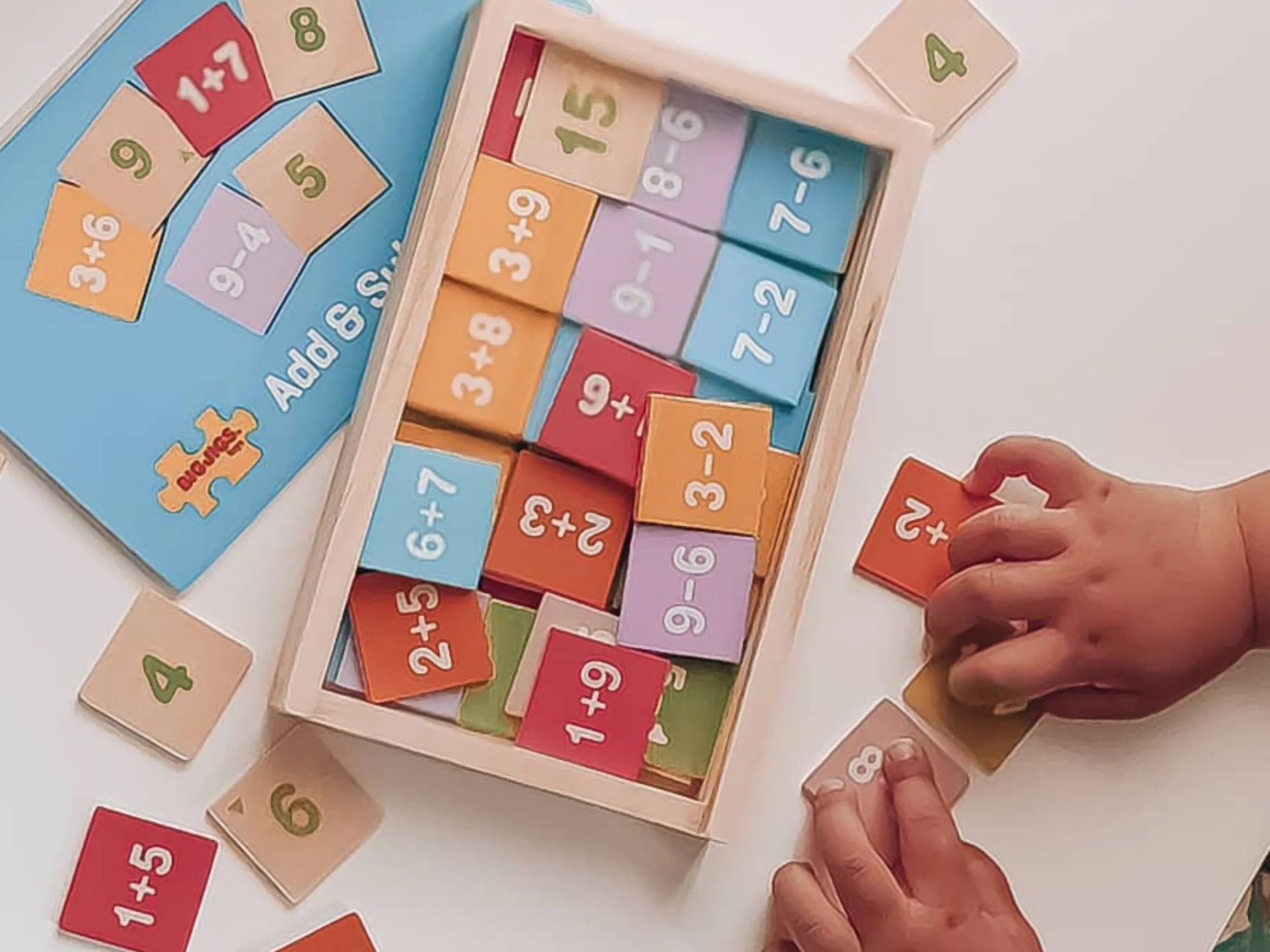
The Truth About “Short” Homeschool Days
One of the hardest mindset shifts for new homeschool parents is believing that shorter school days can still be effective.
We’ve been conditioned to believe:
More hours = better education.
But that’s not always true.
Focused learning matters far more than long hours.
A child who spends:
20 focused minutes practicing math
30 minutes reading
15 minutes writing
1 hour exploring the world around them
…may learn MORE than a child zoning out for 7 hours in a classroom.
Quality over quantity matters…lot.
What Actually Counts As Homeschooling?
Here’s where homeschooling gets really fun.
Learning doesn’t only happen at a desk. Homeschooling can include:
Cooking
Grocery shopping
Gardening
Nature walks
Baking
Playing board games
Audiobooks
Museums
Library visits
Documentaries
Art projects
Field trips
Learning life skills
Family discussions
Your child is learning constantly.
One of the biggest gifts of homeschooling is realizing education can happen naturally throughout everyday life.
That’s why many homeschool families stop separating “school” and “life” completely.
The learning blends together. Beautifully.

A Realistic Homeschool Schedule Example
A Realistic Homeschool Schedule Example
If you’ve been wondering what a normal homeschool day actually looks like, here’s an example of a relaxed elementary homeschool routine:
Sample Homeschool Routine
Morning
Breakfast
Morning chores
Read aloud together
Math lesson
Independent reading
Mid-Morning
Writing practice
Science activity
Snack break
Afternoon
Outside play
Library visit
Art project
Educational documentary
Free play
Notice something?
Not every moment is sitting at a table doing worksheets.
And that’s okay.
Actually, it’s more than okay.
For many homeschoolers, that flexibility is the whole point.

Why Homeschooling Can Feel Like It Takes All Day Anyway
Now let’s be real for a second.
Even though formal homeschool lessons may only take a few hours..homeschooling can feel like an all-day thing. Why?
Because when you homeschool, parenting and learning overlap constantly.
You’re:
Answering questions
Helping kids
Managing the house
Teaching life skills
Breaking up sibling arguments
Explaining fractions while cooking dinner
Reading books before bed
Homeschooling becomes part of your lifestyle. That doesn’t mean you’re “doing school” for 12 hours straight.
It just means learning becomes woven into everyday life.
Factors That Affect How Long Homeschool Takes
Every homeschool family is different.
Some days are quick and smooth. Some days feel like everyone forgot how to function before 9 AM. Both are normal.
Here are some factors that impact homeschool hours:
Your Child’s Age: Younger children need far less formal academics than older students.
Your Teaching Style : A relaxed homeschool approach will look different from a highly structured one.
Number Of Children: Teaching multiple ages at once can take more time initially, especially while establishing routines.
Curriculum Choices: Some curriculum programs are extremely time-intensive. Others are open-and-go and streamlined.
Choosing simpler curriculum can make homeschool days much shorter and less stressful.
You may also enjoy: “How To Create A Simple Homeschool Rhythm That Actually Works”
Your Child’s Learning Style: Some kids move quickly. Others need more repetition and breaks. That’s one of the benefits of homeschooling - you can adapt.
Do Homeschoolers Have To Follow Public School Hours?
Nope. In most places, homeschool laws focus more on educational requirements than mimicking traditional school hours exactly.
Some states require attendance records or a certain number of instructional days, while others are extremely flexible.
That’s why it’s important to understand your local homeschool laws.
If you’re just getting started, check out:
“Homeschooling For Beginners: Is Homeschooling Legal? State By State Beginner Guide.”
The Freedom Of Homeschooling Is The Best Part
One of the best things about homeschooling is the freedom to build a schedule around YOUR family instead of forcing your family into someone else’s system.
You can:
Start later in the morning
Take breaks when needed
School year-round
Do four-day school weeks
Travel during off seasons
Focus deeply on interests
Slow down when life gets hard
Homeschooling allows education to fit into real life.
Not the other way around.
And honestly? That flexibility can be life-changing for many families.
What If My Homeschool Days Feel Chaotic?
First of all: welcome to homeschooling.
Some days are magical.
Some days someone cries over math.
Sometimes you cry over math.
Homeschooling does not require perfection to be successful.
One of the biggest mistakes new homeschoolers make is trying to recreate traditional school perfectly at home.
You don’t need:
A Pinterest-perfect homeschool room
An 8-hour school day
Fancy curriculum
A strict schedule
Constant productivity
You just need consistency, connection, and a willingness to learn alongside your children.
That’s it.
Homeschooling Is More About Rhythm Than Hours
This may be the most important thing in this entire post: successful homeschooling is usually less about exact hours…and more about creating a sustainable rhythm.
Some seasons are structured.
Some seasons are relaxed.
Some days are incredibly productive.
Some days everybody needs a reset.
That’s normal. The goal is not perfection.
The goal is building a home where learning naturally happens. And that can look different for every family.
Final Thoughts: Homeschooling Probably Takes Less Time Than You Think
If the idea of homeschooling has felt overwhelming because you imagined recreating public school at home for 8 hours a day…
Take a deep breath.
Homeschooling is often far simpler, shorter, and more flexible than people expect.
Many families finish formal lessons in just a few hours and spend the rest of the day:
Living life
Exploring interests
Reading together
Building practical skills
Enjoying more freedom and connection
And honestly? That’s one of the biggest reasons families fall in love with homeschooling.
You do not need to homeschool perfectly.
You do not need marathon school days.
You just need a rhythm that works for YOUR family.

Frequently Asked Questions About Homeschool Hours
Do homeschoolers really only do school for a few hours?
Yes! Especially younger children. Because homeschooling is one-on-one, learning is often much more efficient than traditional classroom learning.
Is 2 hours of homeschooling enough?For younger elementary students, absolutely. Many homeschool families complete formal academics in 2-4 hours daily.
What if my child struggles to focus?Shorter lessons, breaks, hands-on learning, and flexibility can help tremendously. Many homeschoolers discover their children focus better at home than in traditional classrooms.
Can homeschooling happen in the evening? Definitely. Some families homeschool at night due to work schedules, travel, or personal preference. One of the best parts of homeschooling is flexibility.
Do homeschoolers take weekends and summers off? Some do, and some homeschool year-round. Many year-round homeschoolers, like myself, enjoy shorter daily schedules and more breaks throughout the year.
Ready To Start Homeschooling?Homeschooling doesn’t have to look perfect to work beautifully.
If you’re curious about homeschooling but still nervous, start simple. You may be surprised how naturally learning fits into your everyday life.
And remember: you do not need to recreate school at home to give your child a meaningful education.
What surprised YOU most about homeschool schedules? Or if you’re considering homeschooling, what part feels the most intimidating right now?
Let’s chat in the comments!